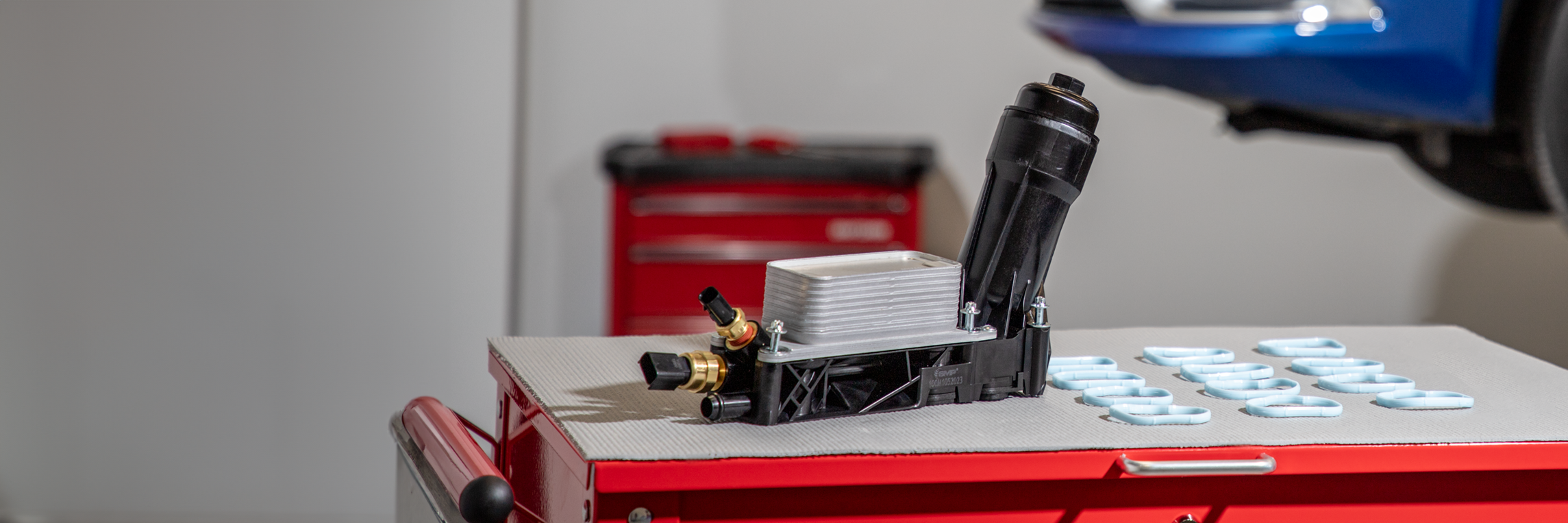
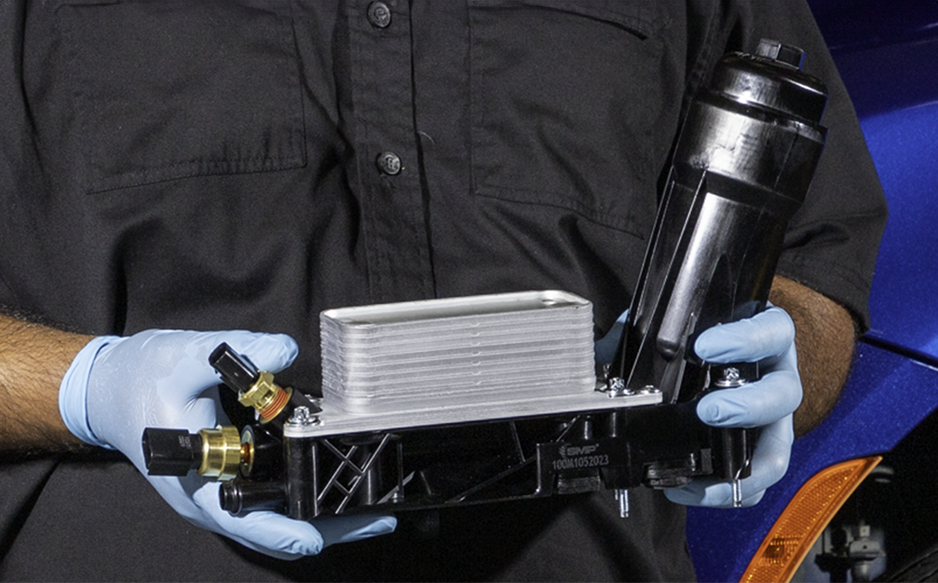
Standard® Oil Filter Housing Kits feature multiple design improvements over the OE to prevent oil leaks at OE weak points.
Our housings are factory-assembled, match the OE design’s thermal characteristics, and include all-new components for a complete repair.
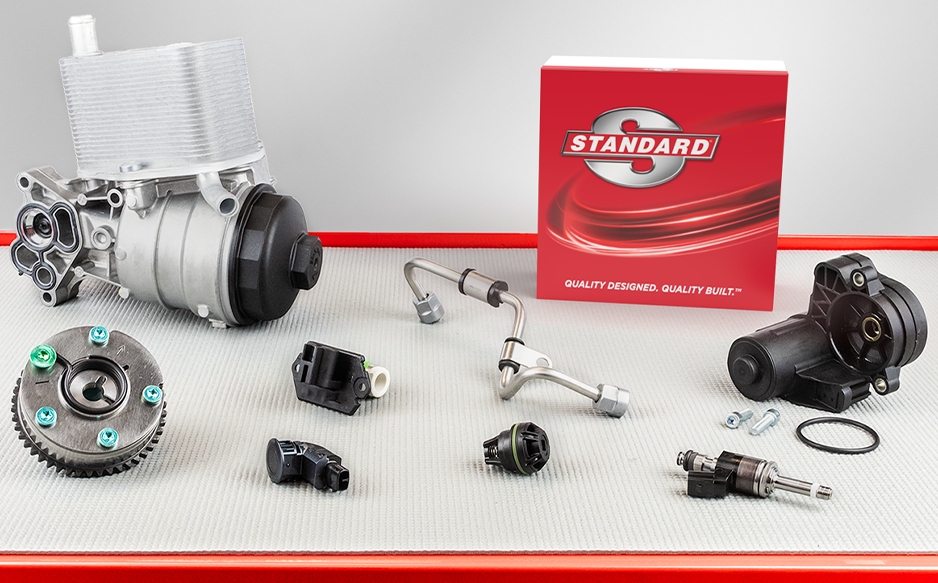
WHAT'S IN YOUR BOX?™
To prevent oil leaks from the core plugs at the rear of the housing, Standard® installs an O-ring on each core plug before ultrasonically welding them into the housing. This creates a positive, long-lasting seal.
On OE units, oil leaks from the brass sensor inserts. To create an effective seal between the brass and the synthetic housing material, Standard® installs additional O-rings on our knurled brass inserts.
OE seals often become distorted or crushed, resulting in an oil leak around the base of the housing. To prevent leaks, Standard® installs distortion-resistant seals that are less prone to failure than the original.
The original oil filter housings on the Pentastar V6 are known for their high failure rates. That is why Standard® Oil Filter Housing Kits are engineered with improvements over the original to address OE failure points and prevent leaks. Best of all, they come completely assembled with new sensors already installed and include new manifold gaskets.
That's what is in our box. What’s in your box?™
Standard Motor Products has announced the introduction of 123 new part numbers in its March new number announcement. This most recent release provides new coverage in 53 distinct product categories and 47 part numbers for 2023 and 2024 model-year vehicles.
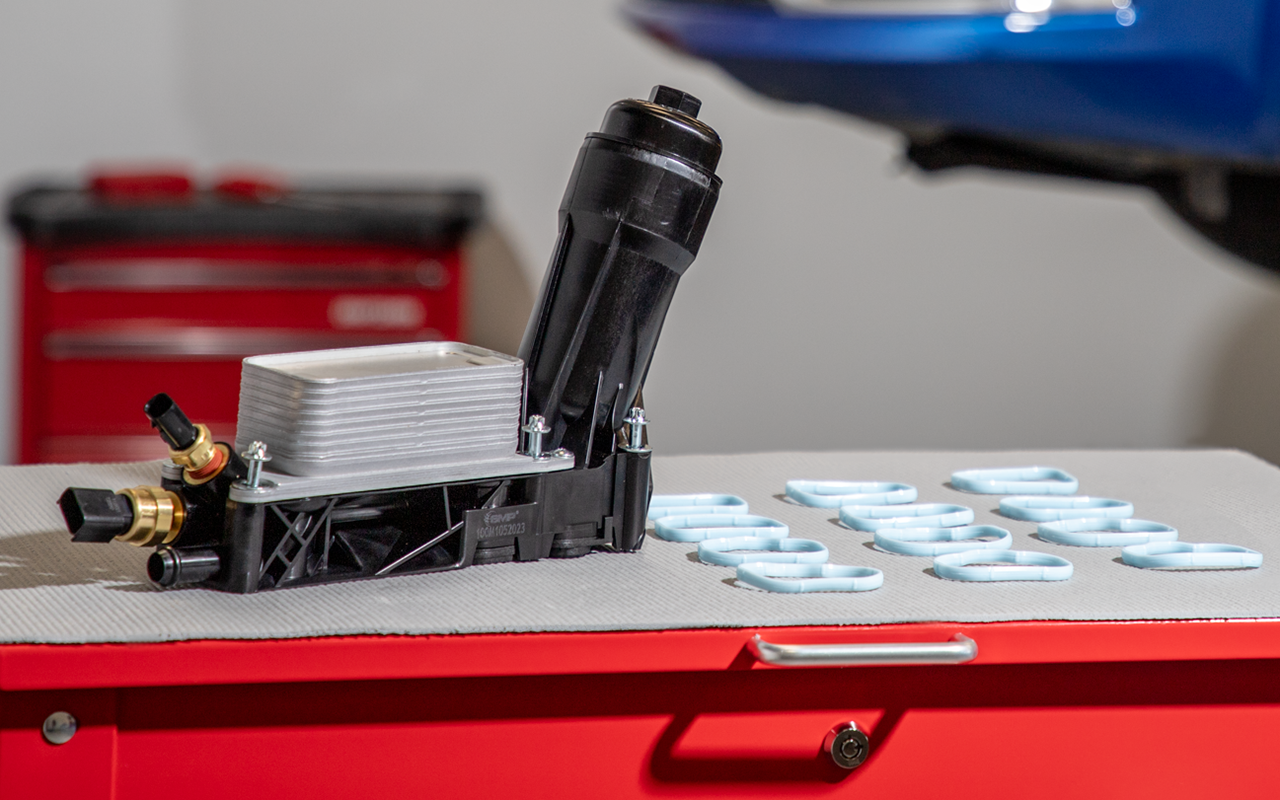
SMP® is pleased to share the expansion of its line of Oil Filter Housing Kits. Standard® Oil Filter Housing Kits feature design improvements over the OE units, are application-specific, not universal, and come completely assembled from the factory for a drop-in solution.
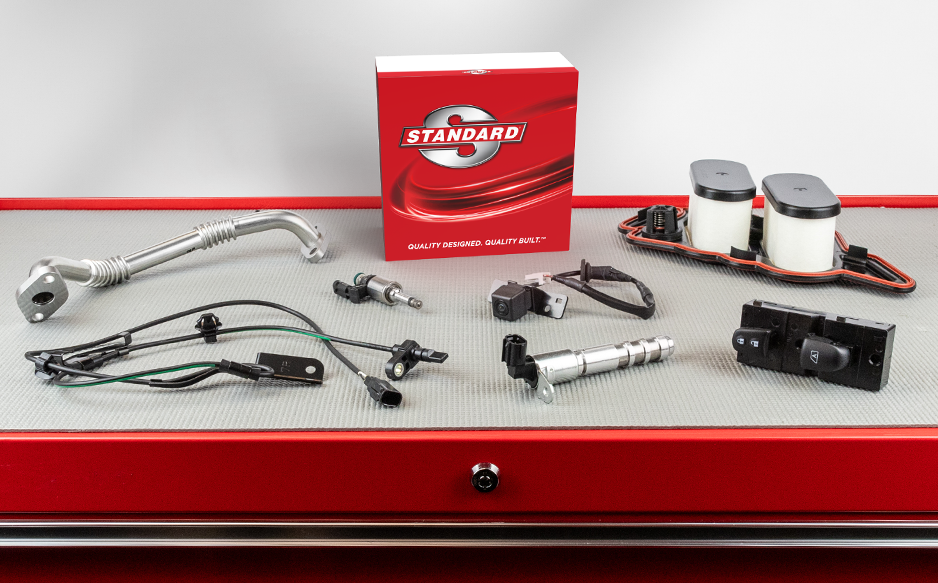
SMP® is pleased to announce the introduction of 118 new part numbers in its February new number announcement. This recent release provides new coverage in 57 distinct product categories and 55 part numbers for 2023 and 2024 model-year vehicles.
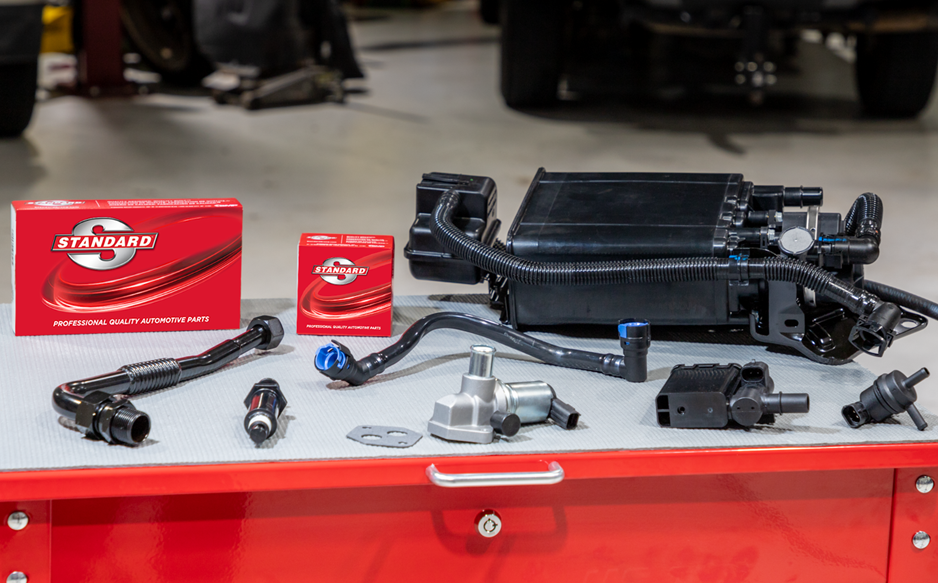
SMP is dedicated to expanding its comprehensive Emission Control program. Standard’s Emission Control program includes evaporative emission control (EVAP), exhaust gas recirculation (EGR), and positive crankcase ventilation emission control systems. With more than 3,500 part numbers, Standard® offers the most complete program in the industry, with everything needed for a complete repair.
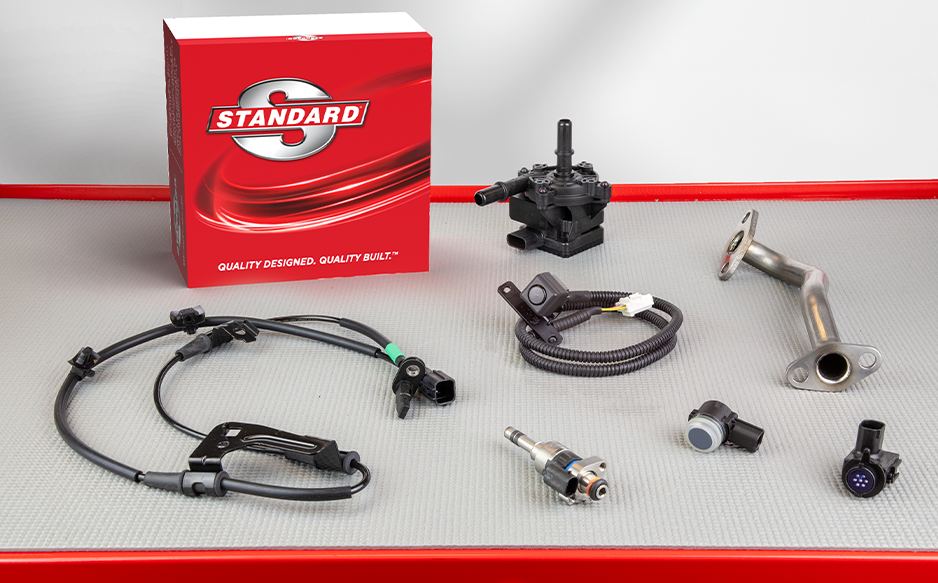
SMP® is pleased to announce the introduction of 208 new part numbers in its January new number announcement. This most recent release provides new coverage in 72 distinct product categories and 115 part numbers for 2022, 2023 and 2024 model-year vehicles.
SMP is proud to announce the 2024 Pro Training Power Hour schedule. Standard® Pro Training Power Hour is a free, live virtual technical series designed for professional technicians, shop owners, and aspiring technicians. It is part of Standard’s award-winning Pro Training training program, which also includes Standard® Pro Training Live-Virtual and On-Site training sessions, an On-Demand library, and a Masters Series.
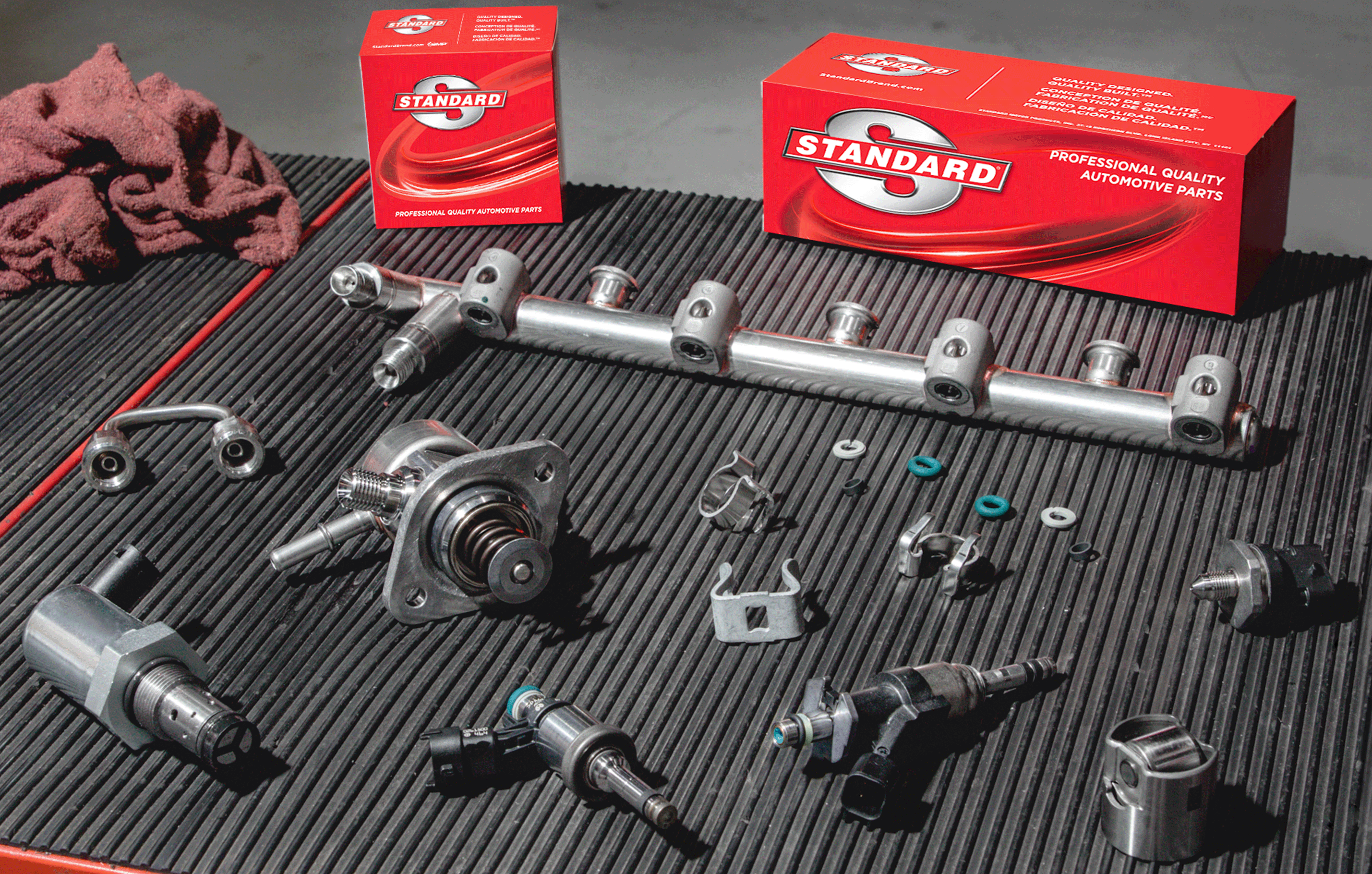
Standard continues to expand its aftermarket-leading Gasoline Fuel Injection program. With more than 2,100 part numbers, Standard® offers the most complete program in the industry, including everything needed for a complete repair.
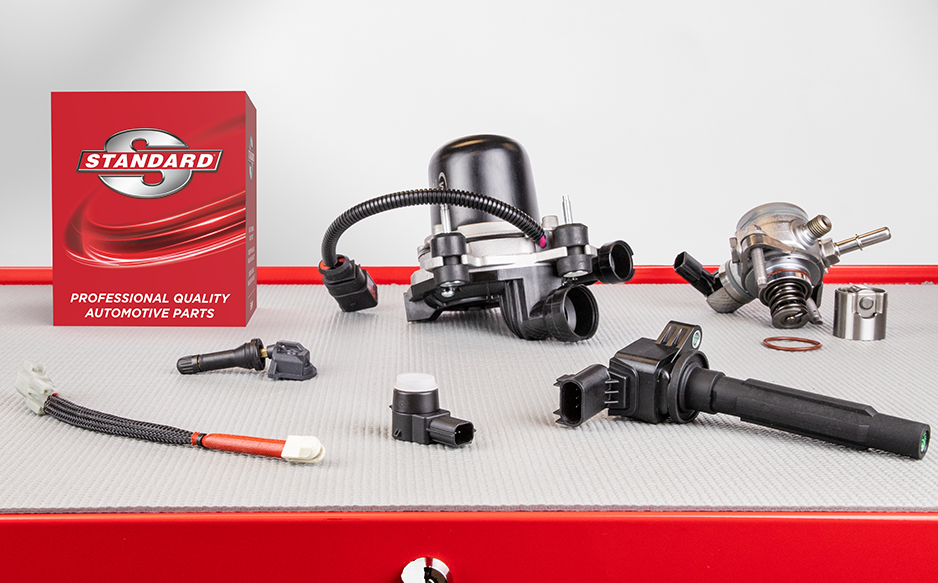
SMP® is pleased to announce that it released a total of 2,626 new part numbers in 2023. Closing out the year, SMP has released 227 new part numbers in its December new number announcement. This most recent release provides new coverage in 71 distinct product categories and 128 part numbers for 2022, 2023, and 2024 model-year vehicles.
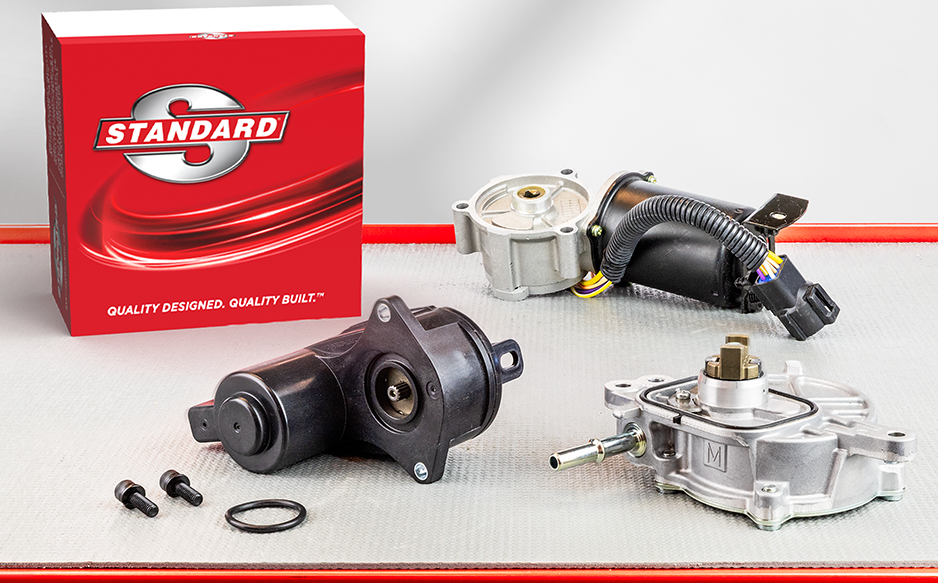
SMP is pleased to announce the expansion of additional categories covering import and domestic vehicles with ICE, hybrid, and electric powertrains. As the car parc evolves, Standard® remains dedicated to introducing and expanding new product lines to provide technicians with the parts needed to do the job right, regardless of powertrain. When OE fails, technicians trust Standard® to deliver precision components that keep a wide variety of systems operating as designed.
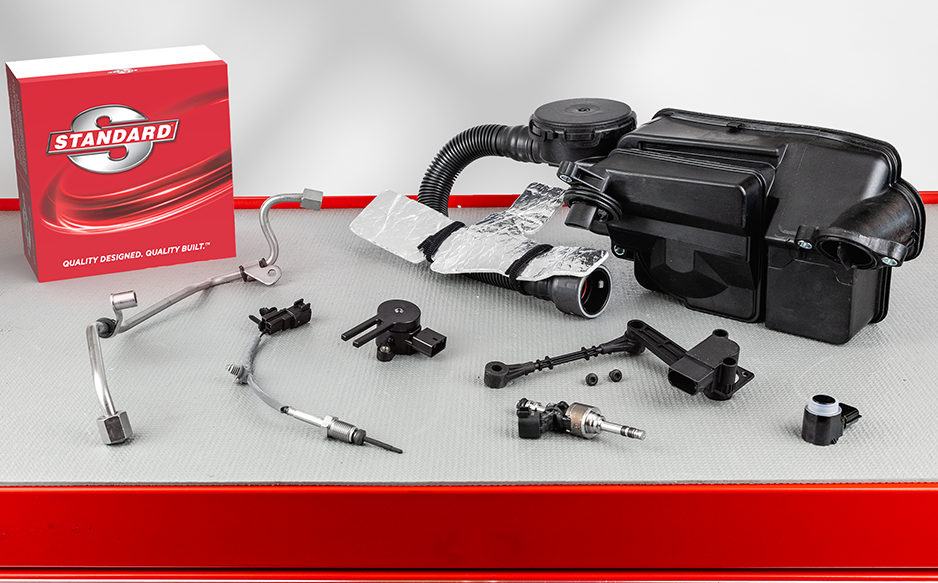
SMP® has released 276 new part numbers in its October new number announcement. This most recent release provides new coverage in 113 distinct product categories and 118 part numbers for 2022, 2023, and 2024 model-year vehicles.
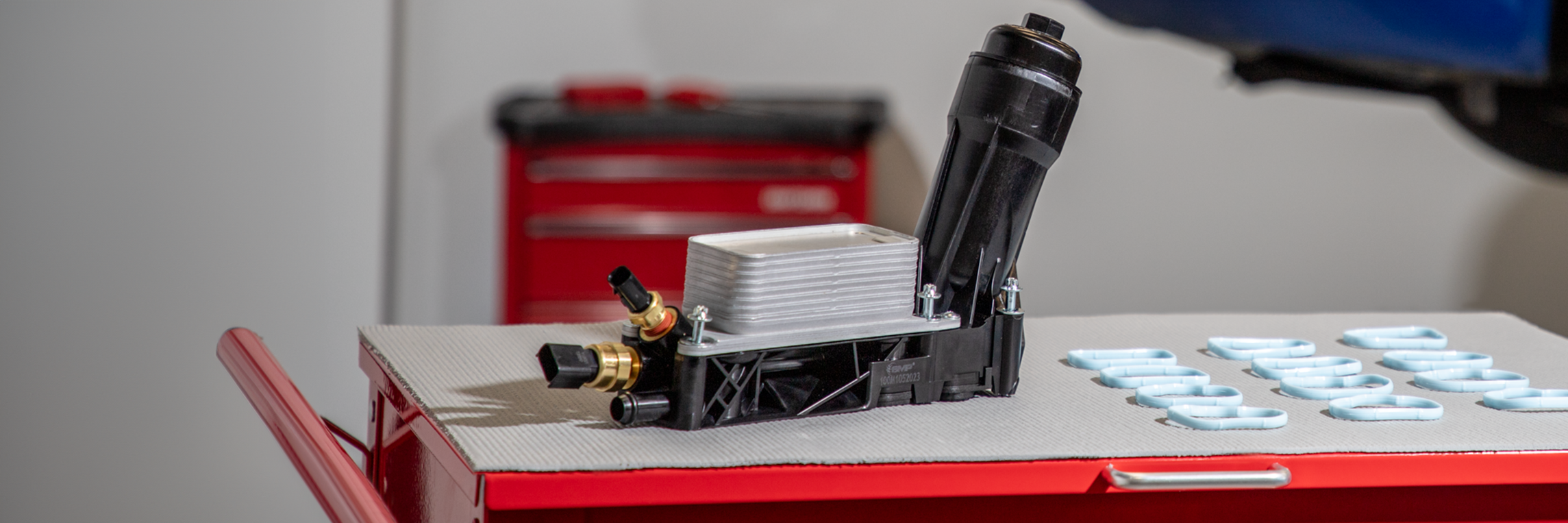
SMP continues to expand its line of Oil Filter Housing Kits. Since the program’s introduction, Standard® has added coverage for many popular applications.
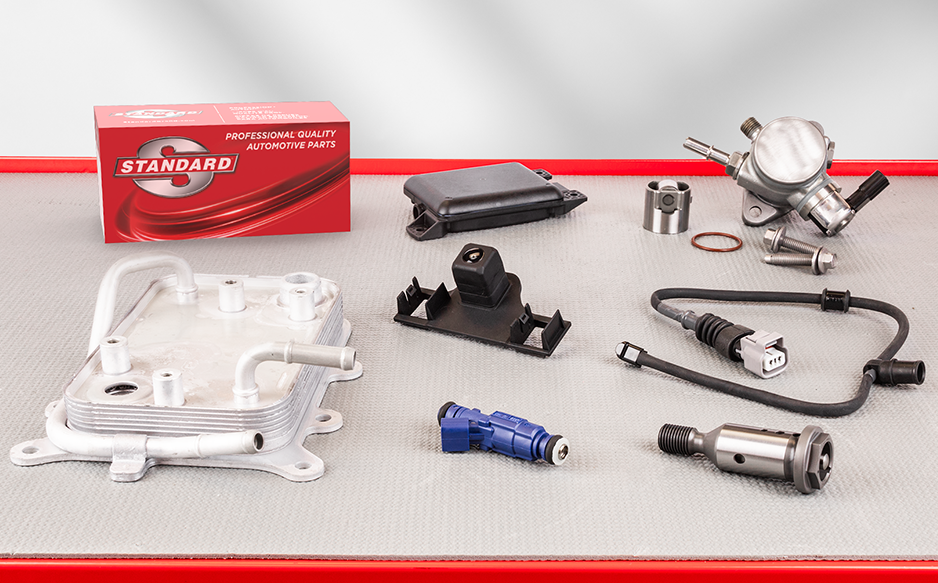
SMP® has released 272 new part numbers in its September new number announcement. This most recent release provides new coverage in 89 distinct product categories, and 115 part numbers for 2022, 2023 and 2024 model-year vehicles.
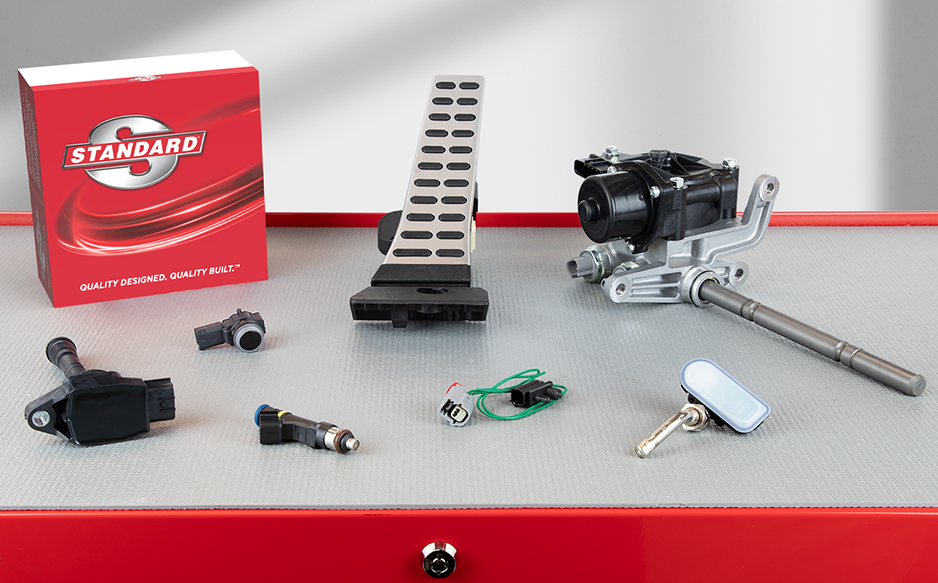
SMP® has released 210 new part numbers in its August new number announcement. This most recent release provides new coverage in 72 distinct product categories, and 69 part numbers for 2022, 2023 and 2024 model-year vehicles.
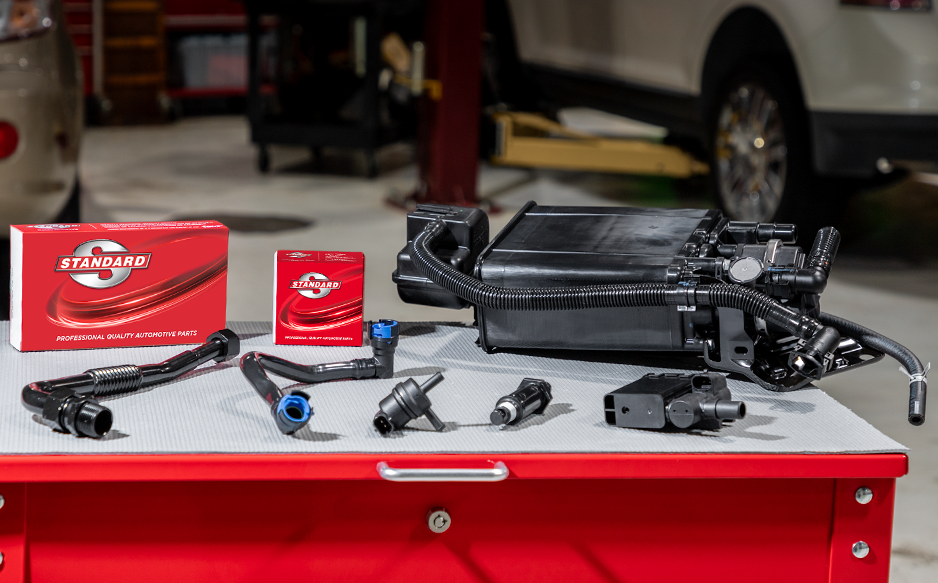
SMP® continues to add to its comprehensive Emission Control program, which includes evaporative emission control (EVAP), exhaust gas recirculation (EGR), and positive crankcase ventilation components. Standard’s Emission Control program helps technicians repair and maintain these complex systems. When OE fails, technicians trust Standard® to deliver precision components that keep emission systems operating as designed.
Read More
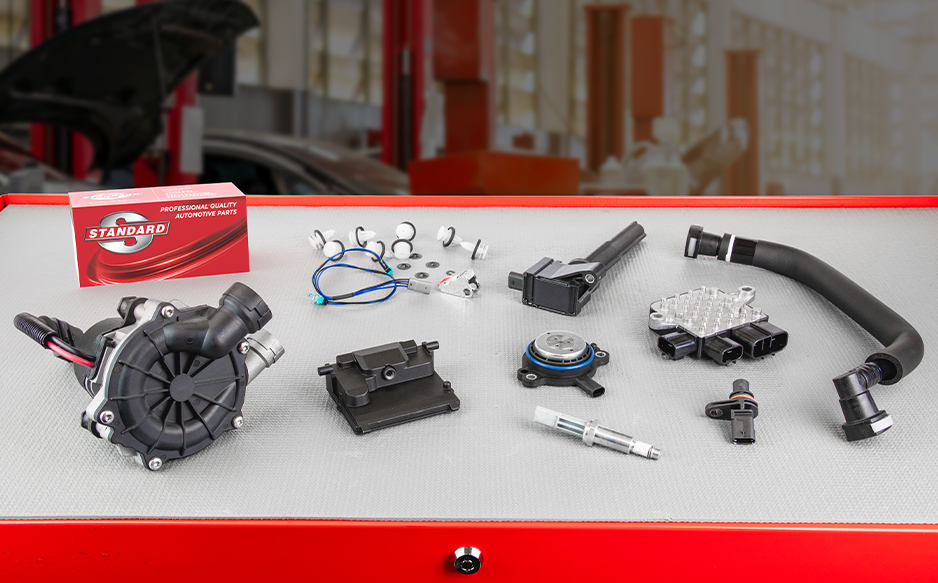
SMP® has released 207 new part numbers in its July new number announcement. This most recent release provides new coverage in 71 different product categories, and 78 part numbers for 2022 and 2023 model-year vehicles.
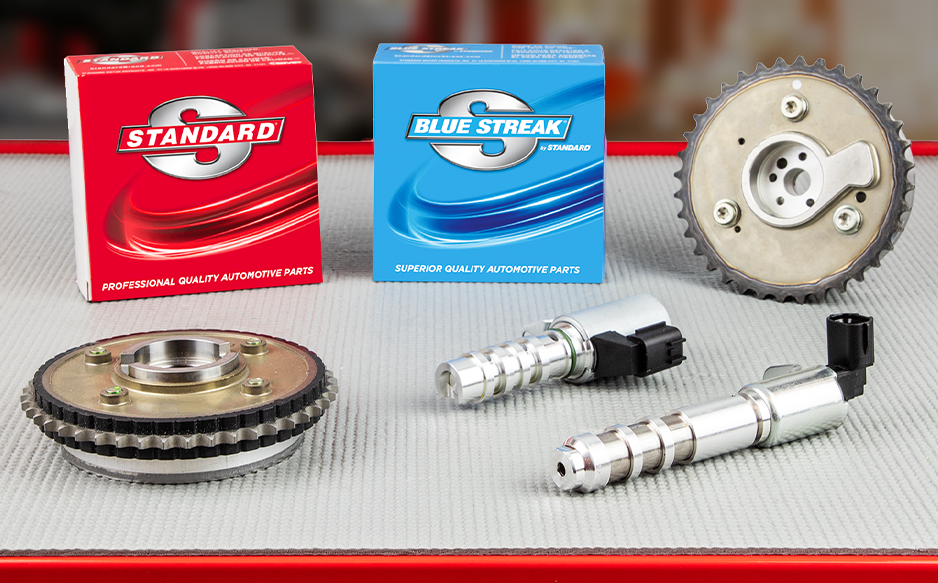
SMP continues to add to its Variable Valve Timing (VVT) program, which already includes more than 550 part numbers for import and domestic vehicles. When the OE fails, technicians trust Standard® and Blue Streak® to deliver precision components that integrate with complex VVT systems.
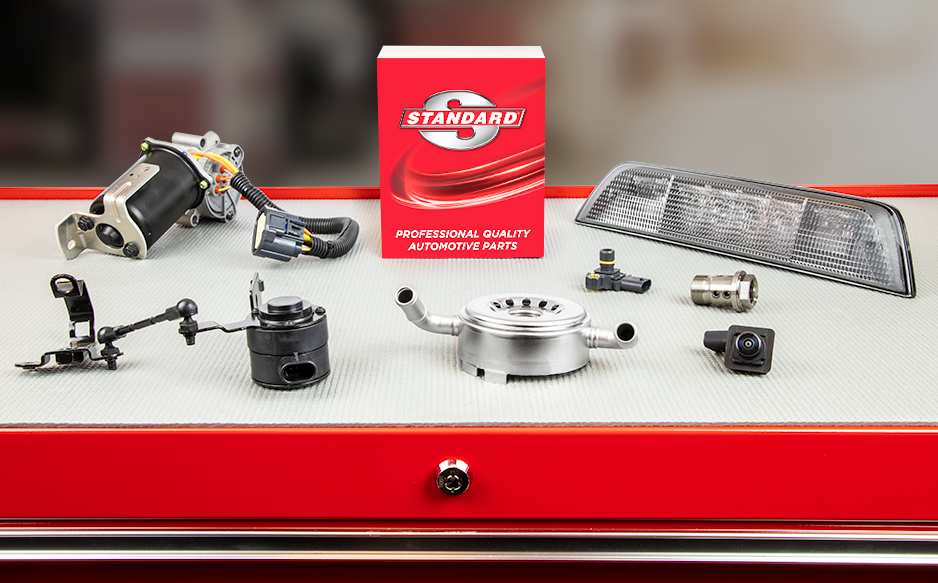
SMP has released 156 new part numbers in its June new number announcement. This most recent release provides new coverage in 61 different product categories, and 43 part numbers for 2022 and 2023 model-year vehicles.
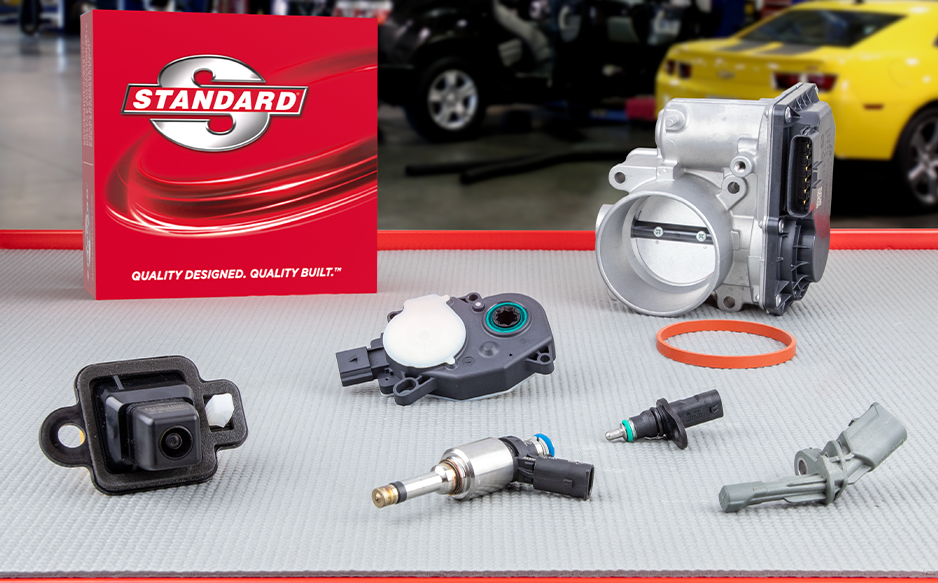
SMP has released 222 new part numbers in its May new number announcement. This most recent release provides new coverage in 69 different product categories, and more than 60 part numbers for 2022 and 2023 model-year vehicles.
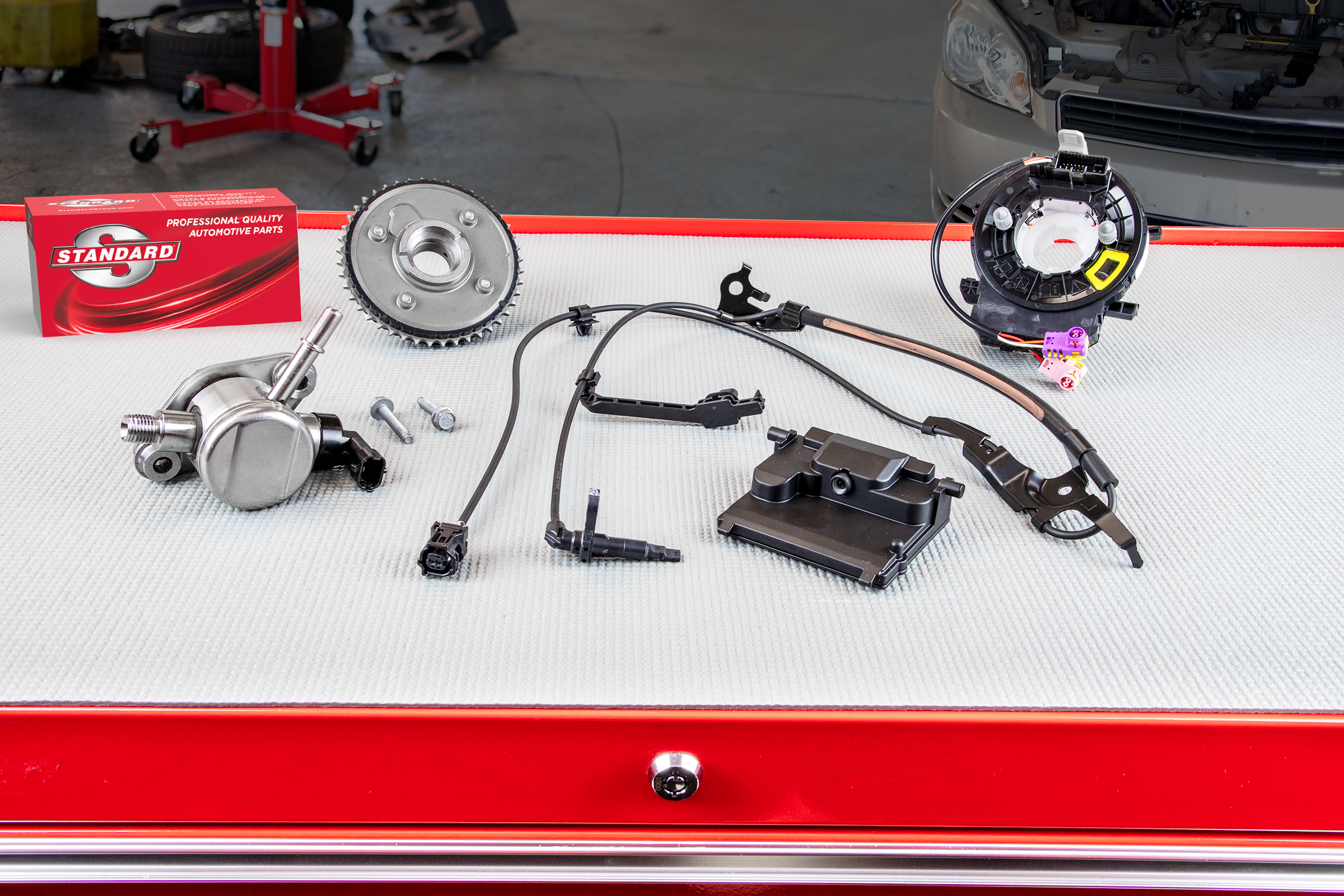
SMP has released 373 new part numbers in its April new number announcement. This most recent release provides new coverage in 87 different product categories, and more than 100 part numbers for 2022 and 2023 model-year vehicles.
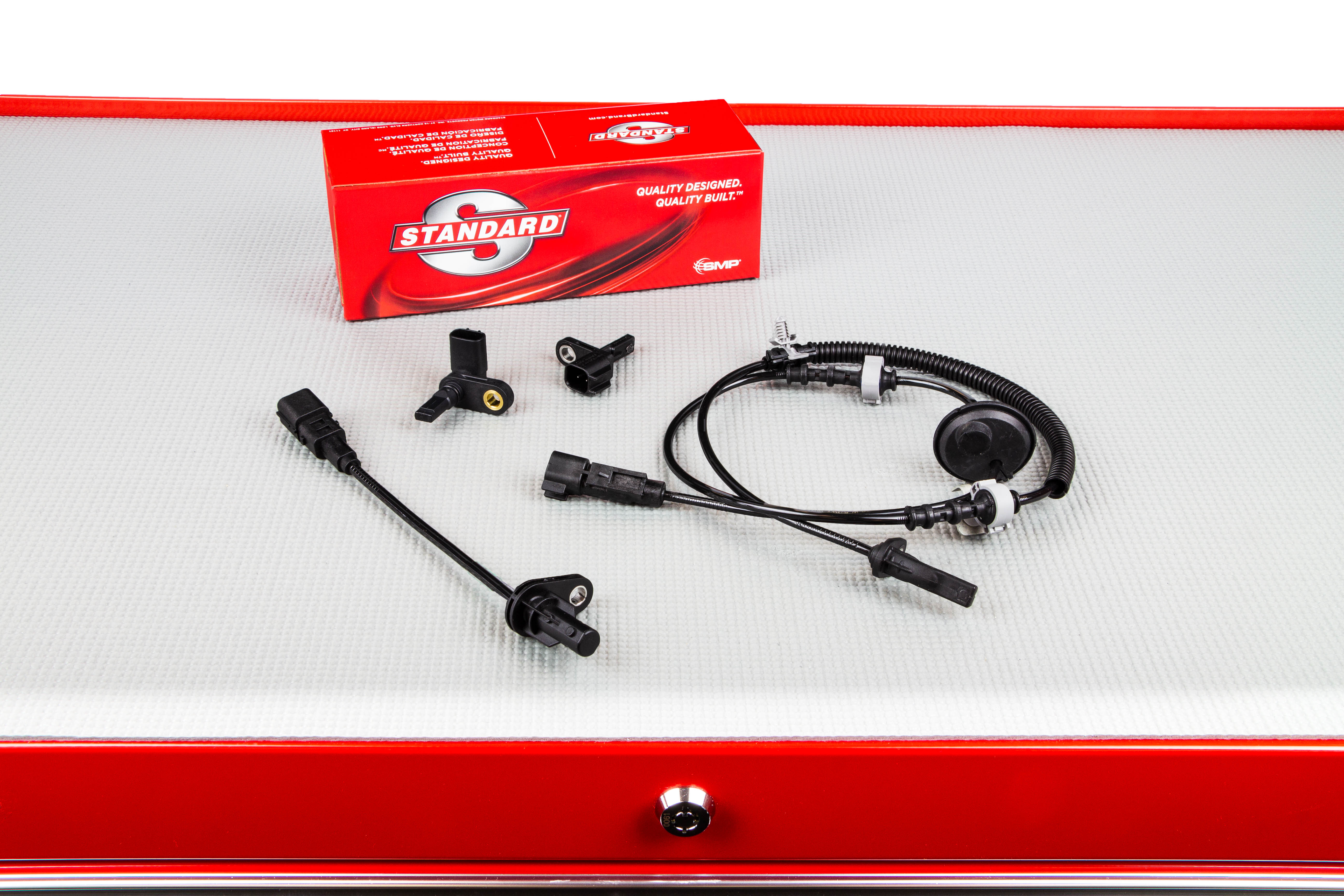
SMP continues to expand its line of ABS Speed Sensors for import and domestic vehicles. It is widely known that the quality and performance of ABS sensors affect how long it takes a vehicle to stop, but with technology evolving, ABS sensors are being asked to do more. Many electronic safety features like Electronic Stability Control, Hill Hold Assist, and Automated Braking depend on accurate, real-time data from these sensors.
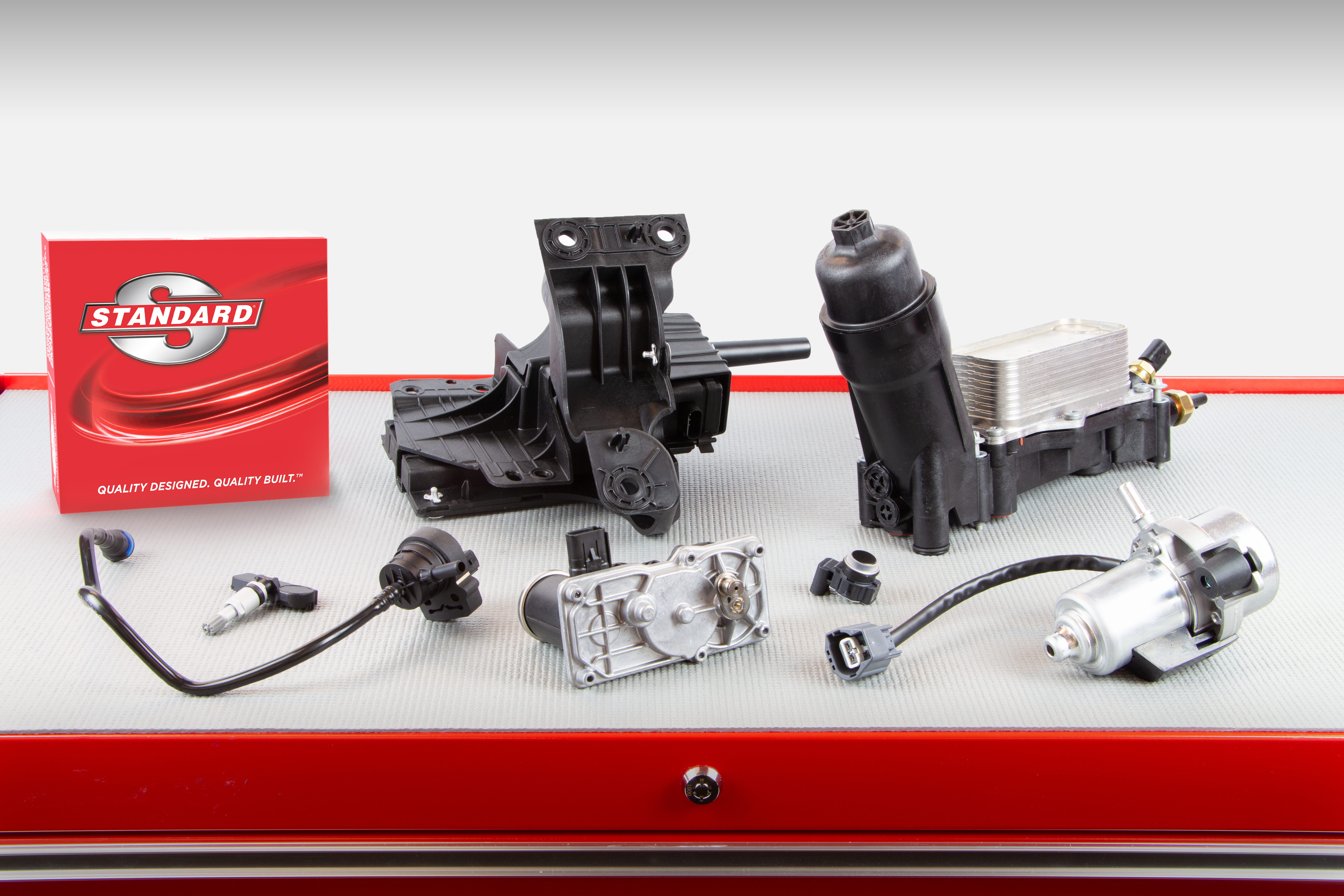
SMP has introduced 110 new part numbers in its March new number announcement. Included in the release is new coverage for 56 product categories, and 29 part numbers for 2022 and 2023 model-year vehicles.

SMP continues to expand its line of parts for hybrid and electric vehicles. The hybrid and electric vehicle market is growing larger every day, and SMP is committed to continually adding to its product offering for these vehicles, as well as expanding its powertrain-neutral coverage.
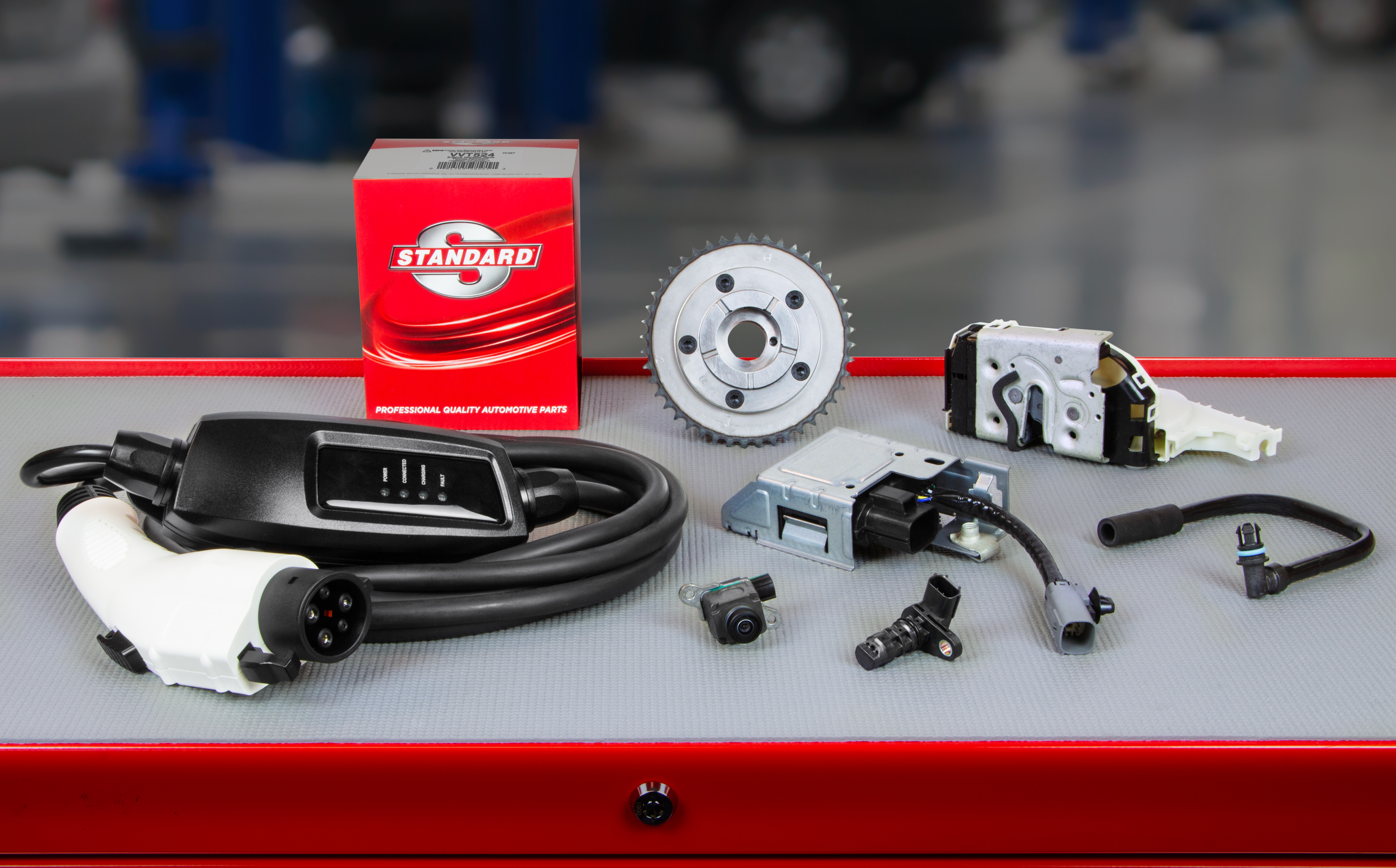
SMP has introduced 276 new part numbers since the start of the year. Included in the release is new coverage for 77 product categories, and 43 part numbers for 2022 and 2023 model-year vehicles.
SMP is proud to announce the Pro Training Power Hour. Power Hour is a free, live-virtual technical series presented by Standard’s professional trainers, geared towards technicians. It joins Standard’s award-winning portfolio of training programs, which include Standard® Pro Training On-Site and Live-Virtual training sessions, an On-Demand library, and a Masters Series.
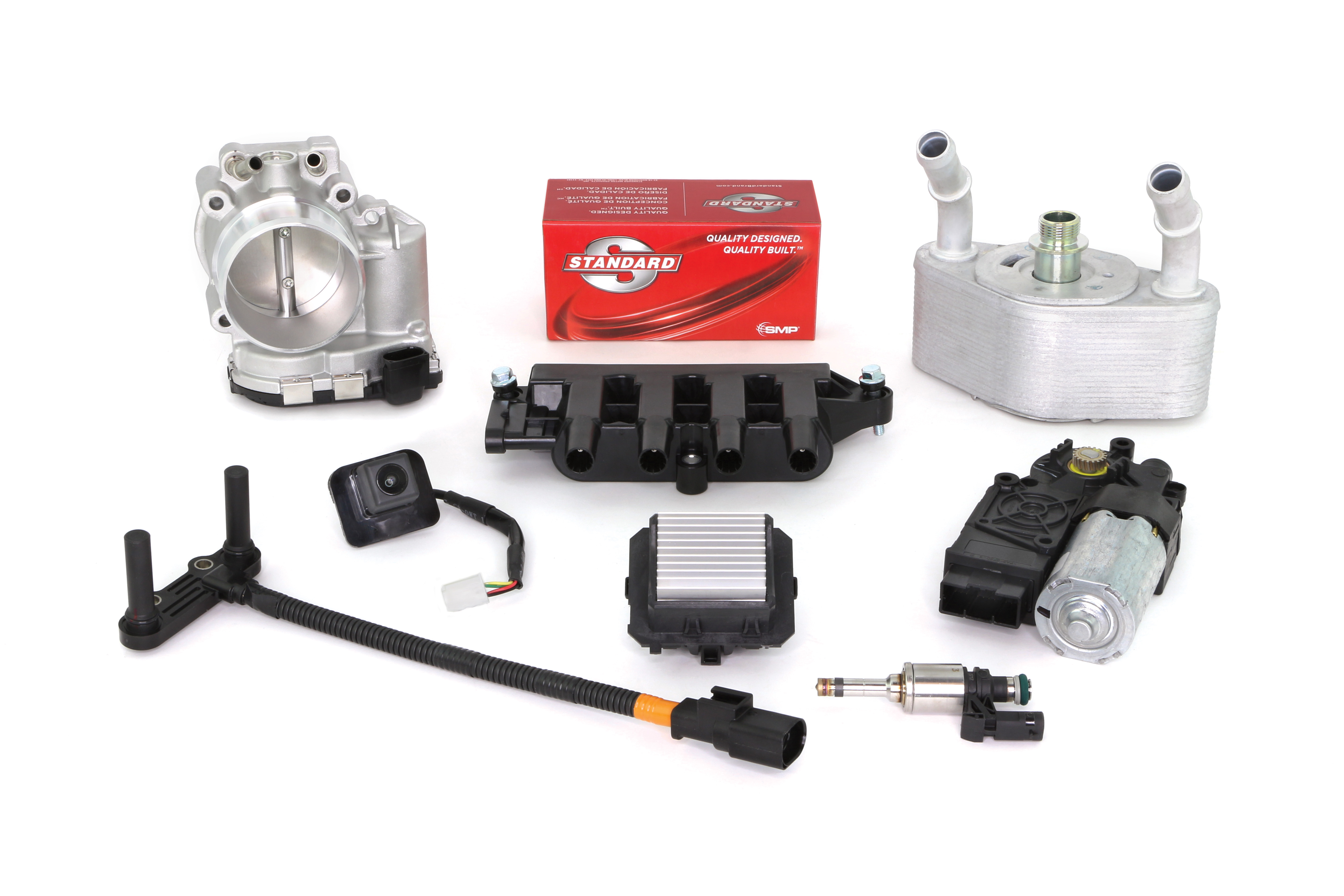
SMP has introduced 214 new part numbers in its December new number announcement. Included in the release is new coverage for 88 product categories, and 84 part numbers for 2021, 2022, and 2023 model-year vehicles.
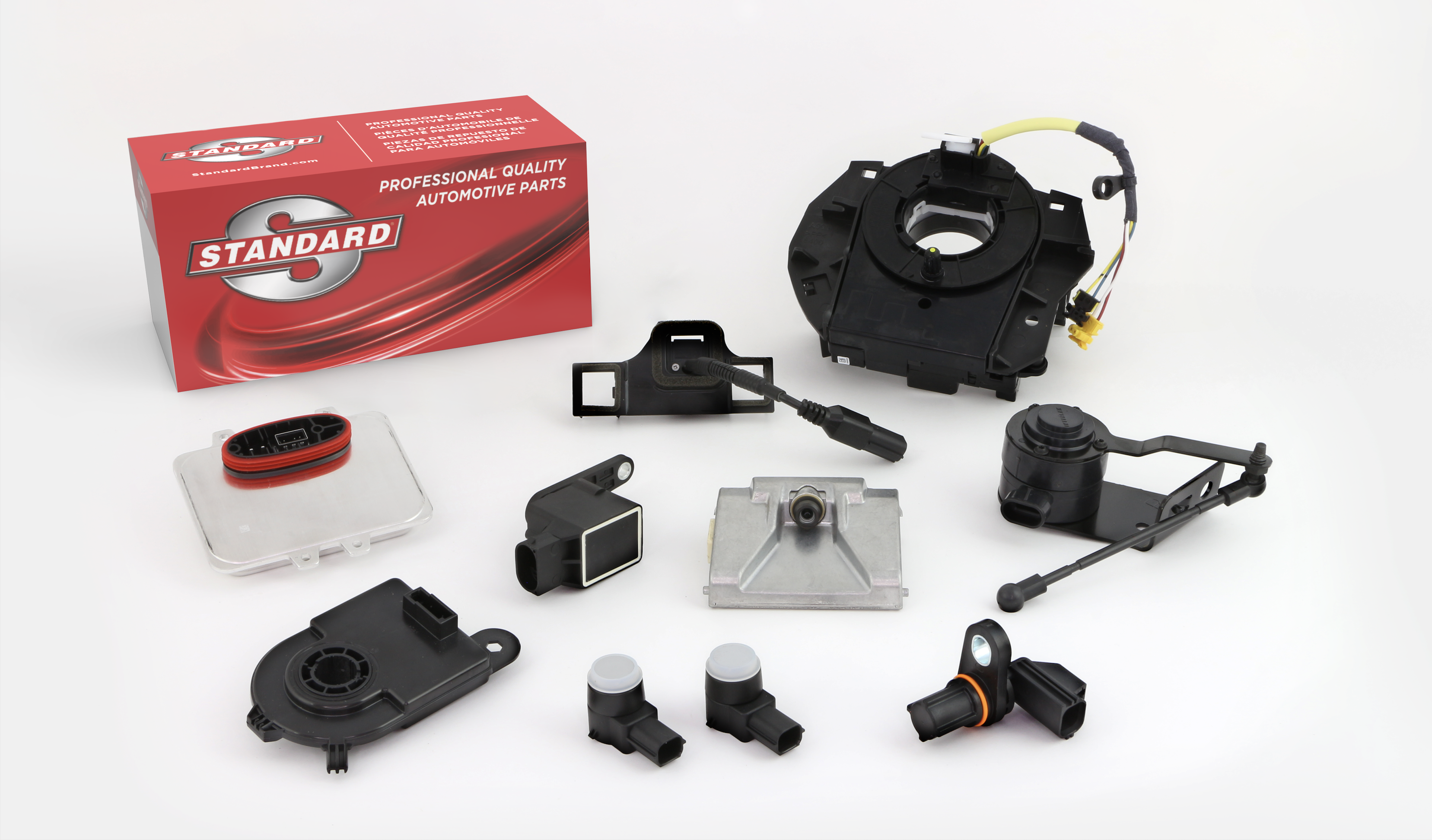
SMP continues to expand its comprehensive Collision Repair program. The collision market is large, growing, and extends well beyond body work and paint. Standard’s Collision Repair Program offers more than 7,500 parts to meet the demand. Every component is a direct-fit replacement and is designed to correctly integrate with the electronic safety systems found on today’s vehicles.
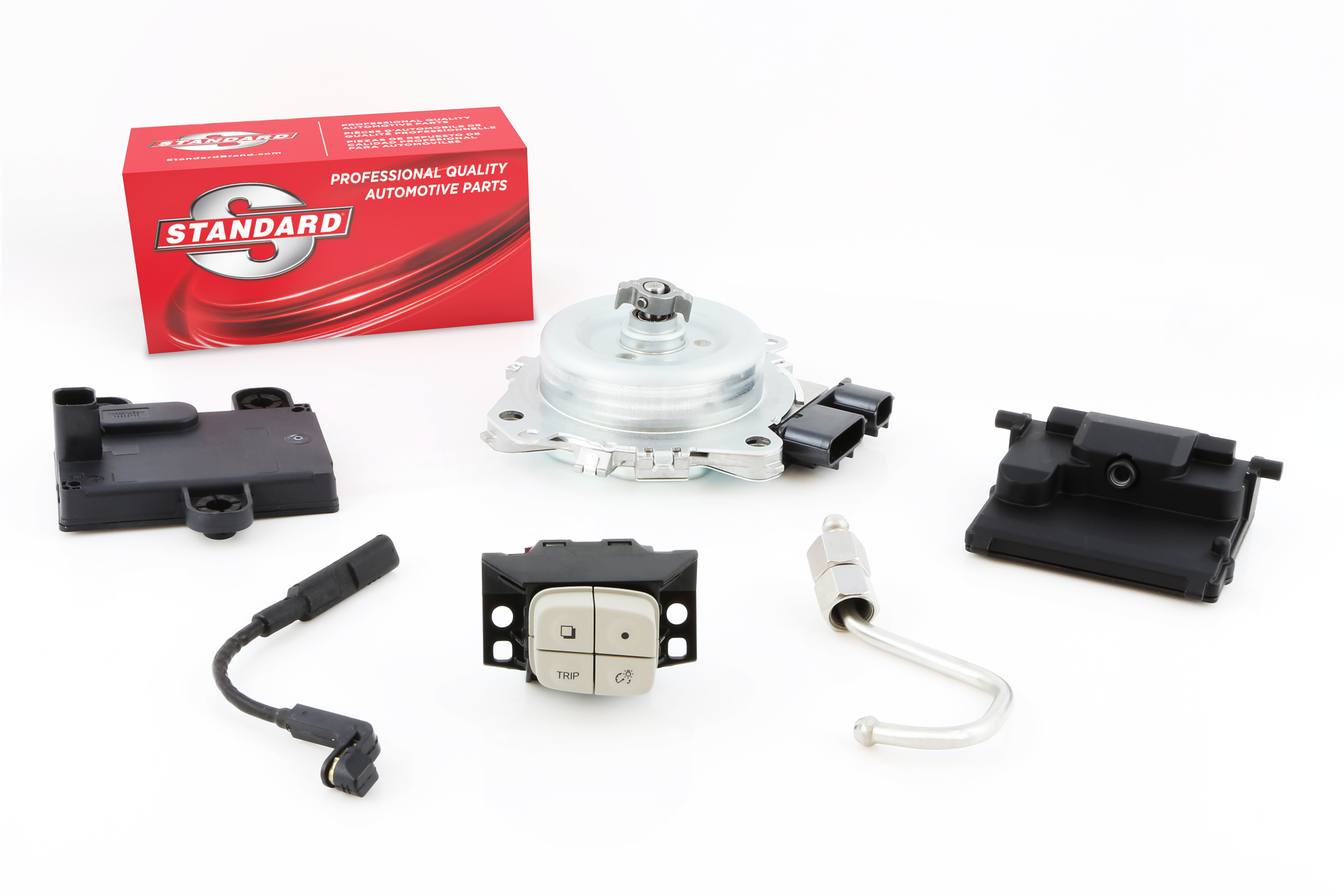
SMP has introduced 365 new part numbers in its October new number announcement (NNA). Included in the release is new coverage for over 100 product categories, and 110 part numbers for 2021 and 2022 model-year vehicles.
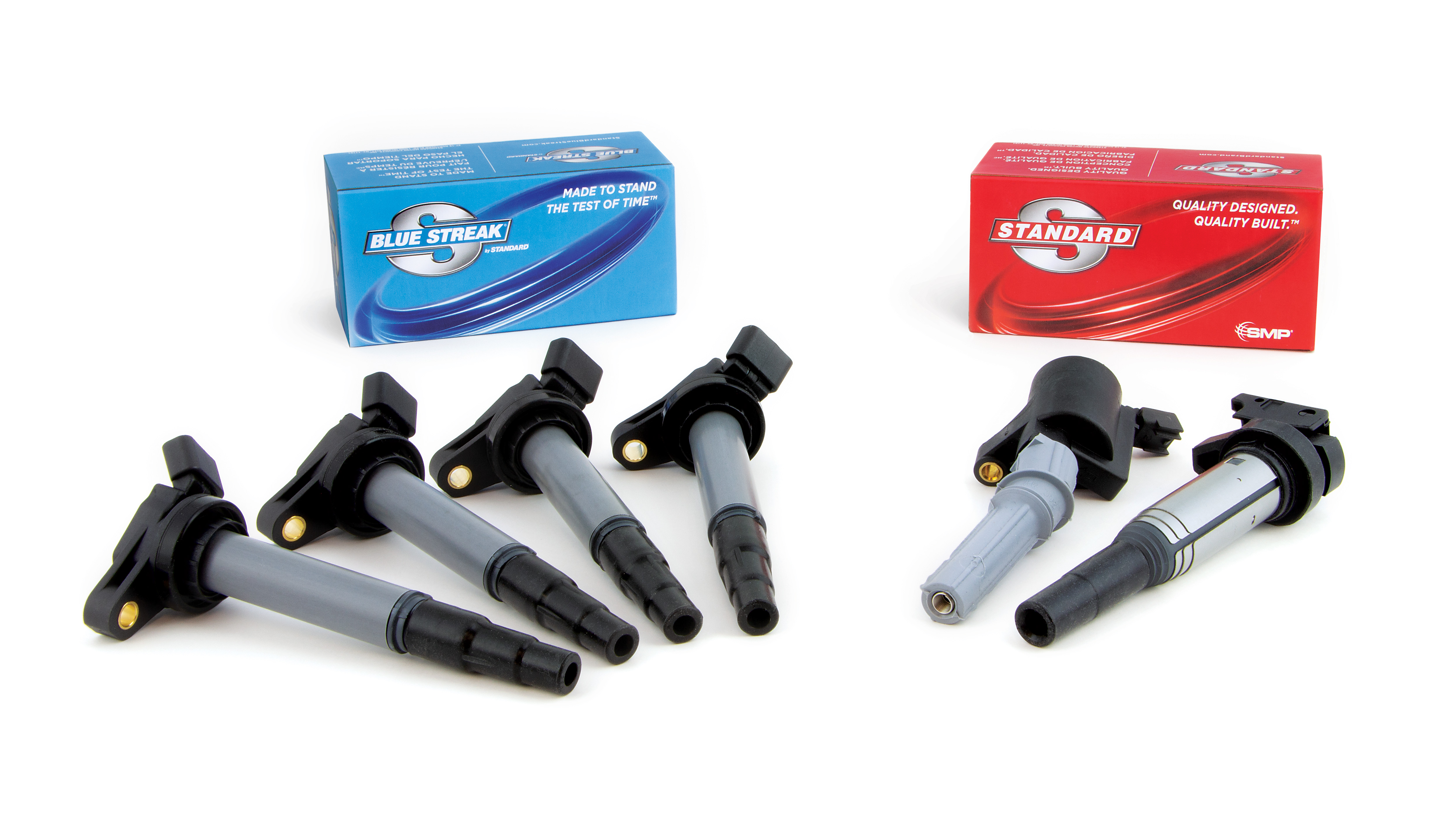
SMP continues to add to its aftermarket-leading Ignition Coil program, which includes more than 800 Coils providing 99% coverage for import and domestic vehicles. Each Coil is designed to deliver improved durability and a longer service life. When the OE fails, technicians trust Standard® and Blue Streak® to deliver a Coil that will last.
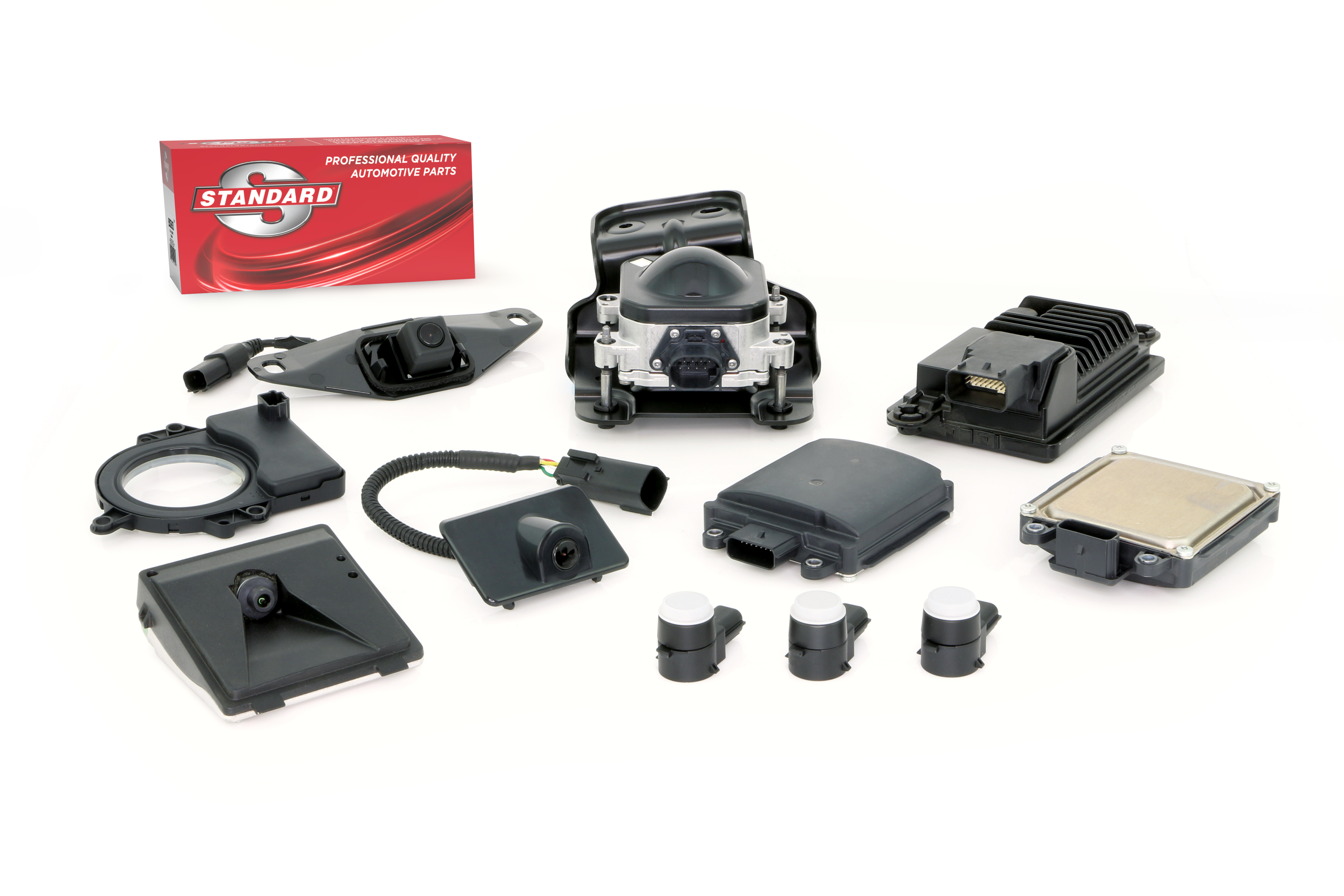
SMP continues to expand its aftermarket-leading Advanced Driver Assistance Systems (ADAS) program. ADAS in today’s vehicles is already helping to save lives and prevent injuries. Minimizing human error has been identified as a key factor in reducing the number of vehicle collisions resulting in serious injury and death. Standard® is dedicated to continuously adding new product categories and late-model applications to meet industry demand.
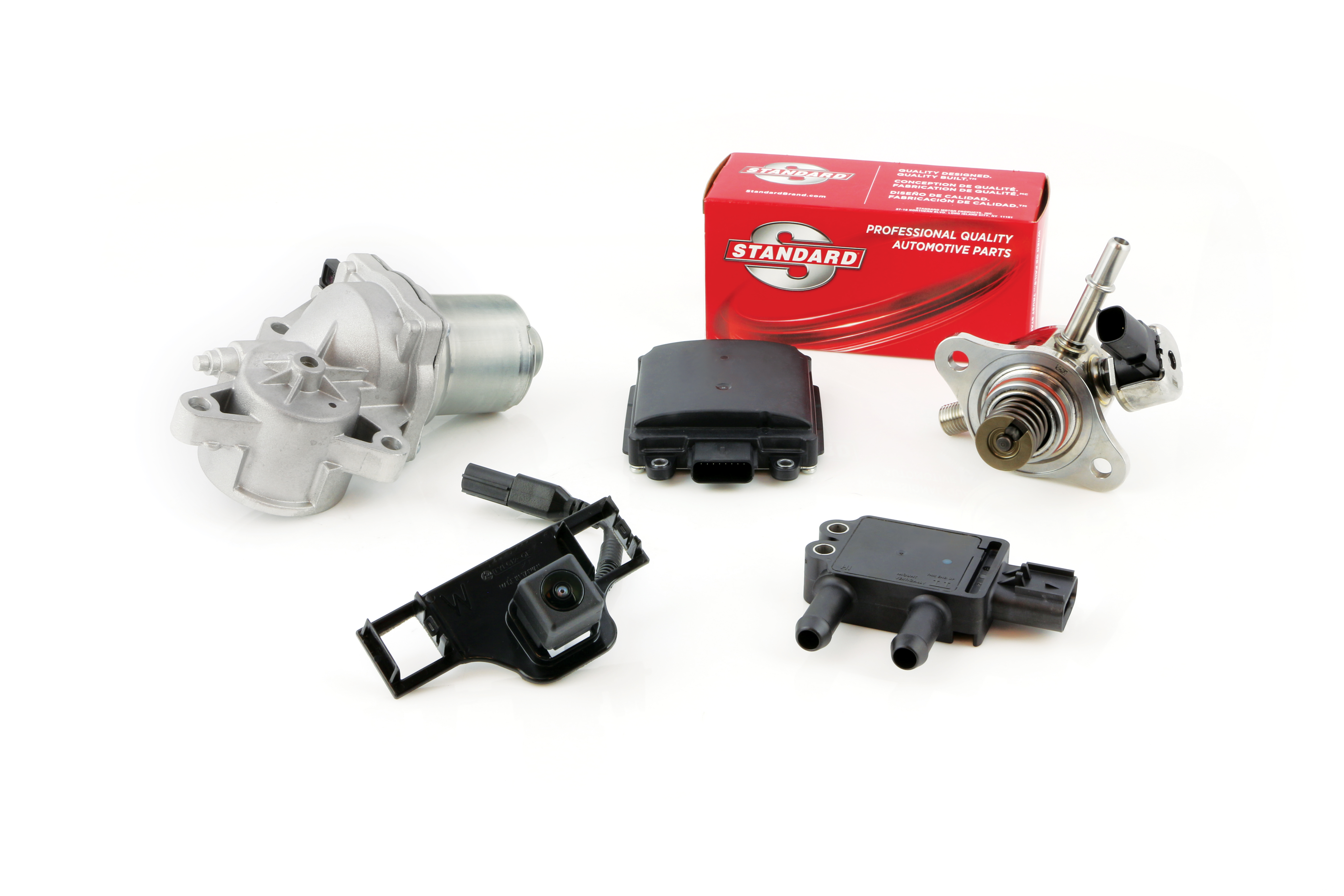
SMP is pleased to announce the addition of 314 new part numbers in its August new number announcement. This release covers over 100 product categories and includes over 100 part numbers for 2021 and 2022 model-year vehicles.
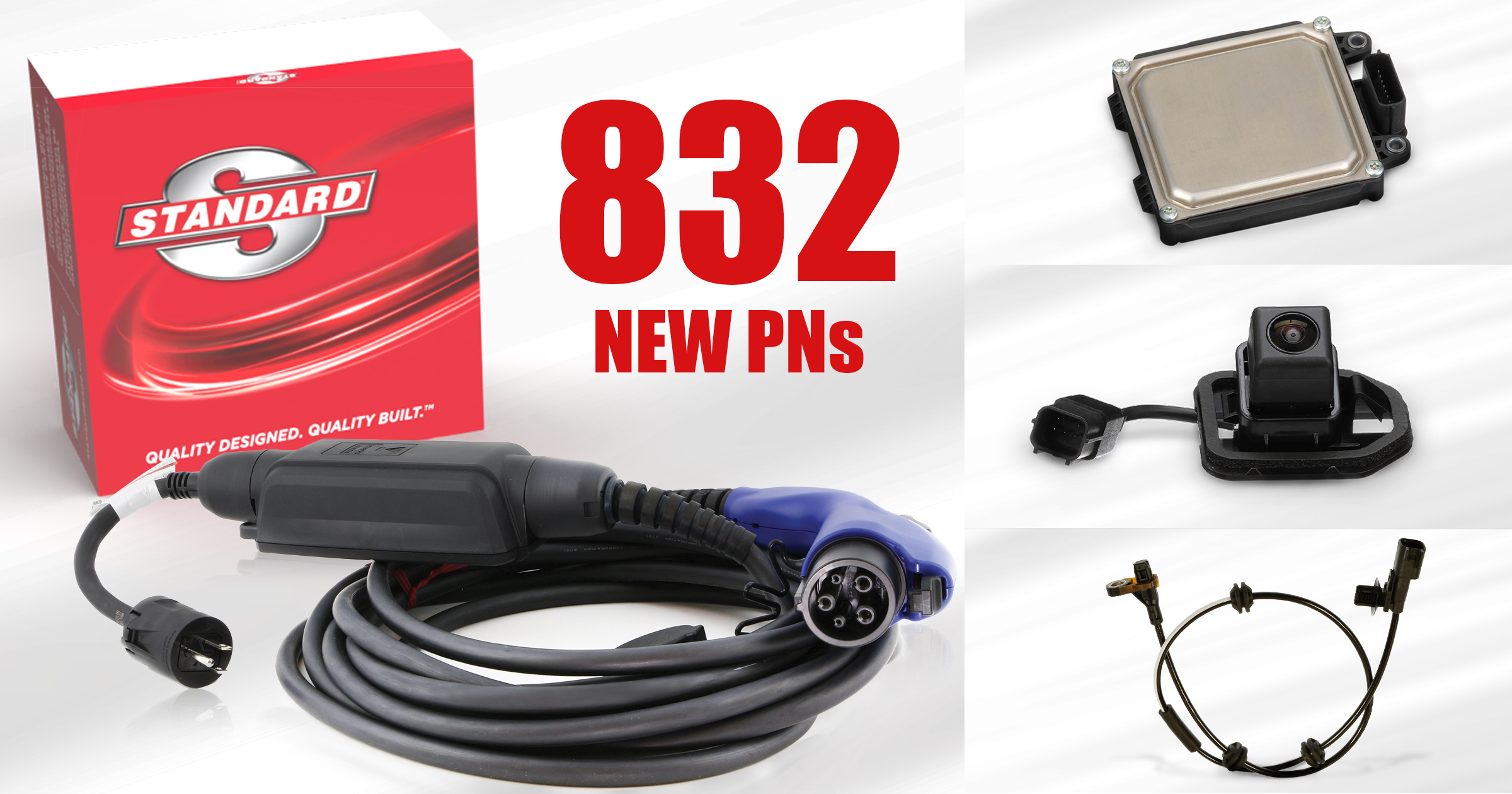
SMP has released a total 832 new part numbers during the first half of 2022 for its Standard® and Standard® Import brands. SMP continues to help distribution partners capture additional business, as 286 of these numbers were aftermarket exclusives, meaning they were not available in the aftermarket before SMP’s release. To date this year, SMP has released parts covering 180 different categories and over 200 part numbers for 2021 and 2022 model-year vehicles.
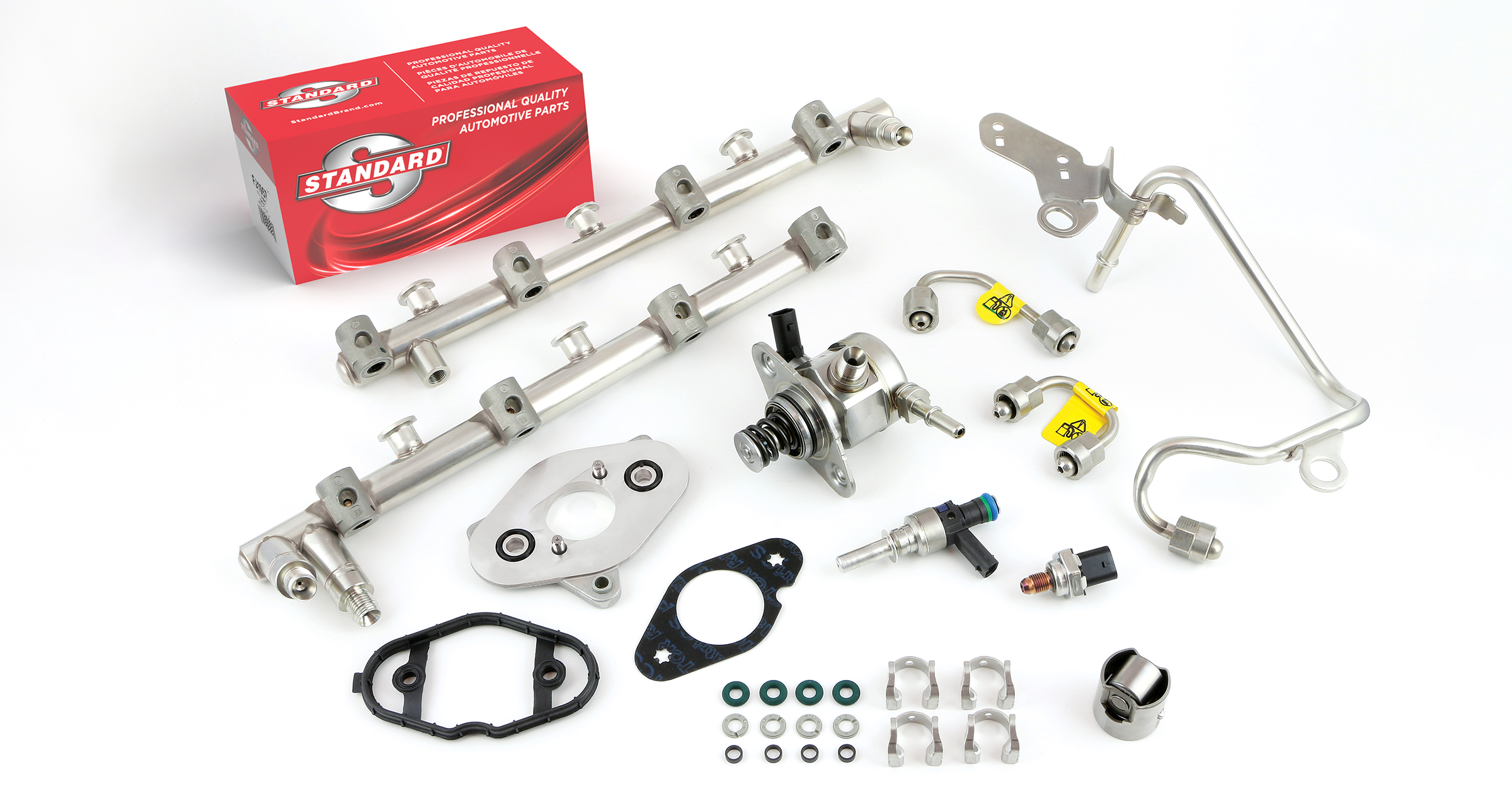
SMP continues to expand its aftermarket-leading Gasoline Direct Injection (GDI) program. GDI technology has been an integral part of helping to improve fuel economy while reducing emissions, and can be found on more than half of the U.S. fleet.
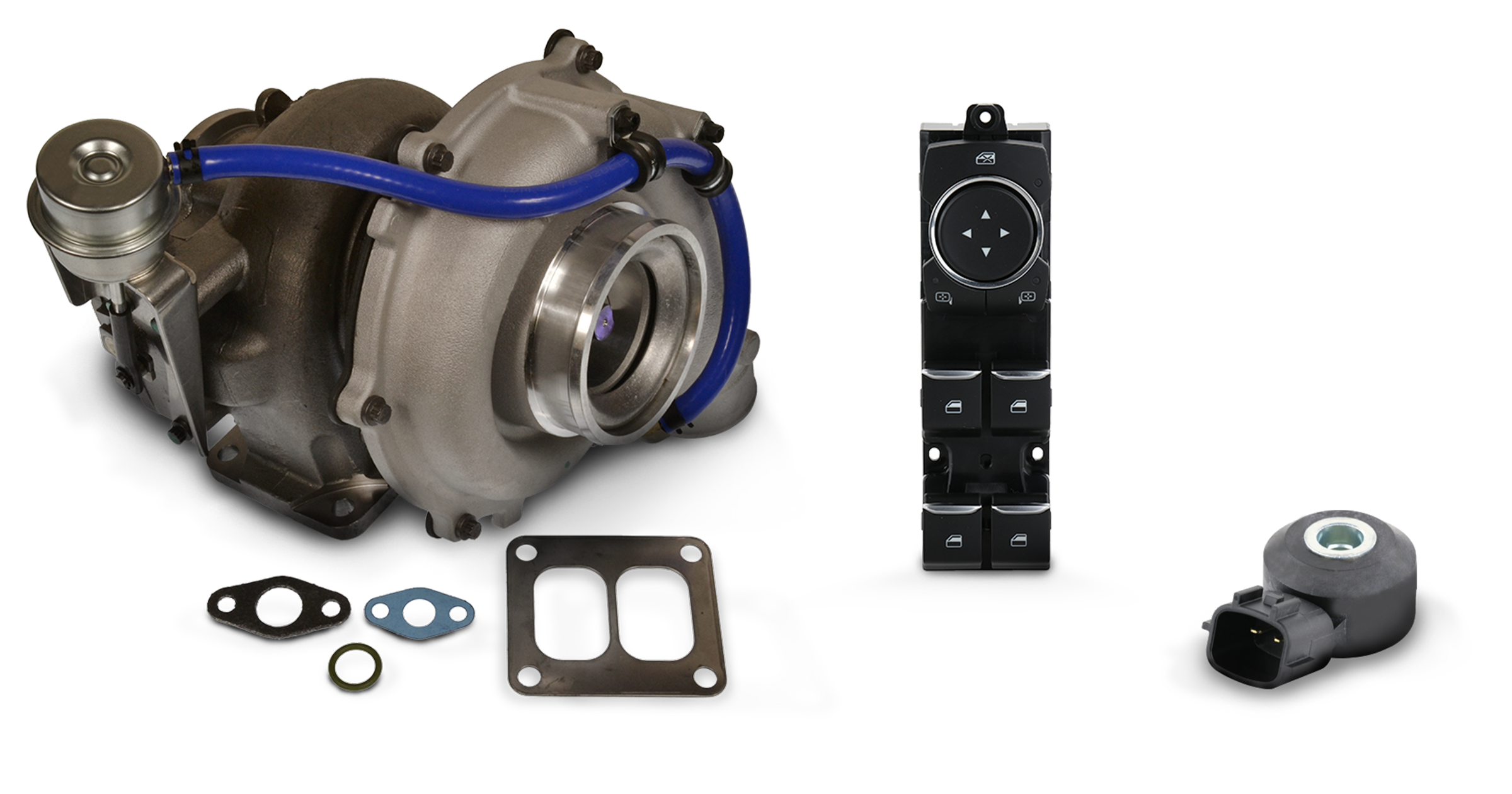
SMP is pleased to announce the addition of 119 new part numbers to its Standard® and Standard® Import lines. This release covers 53 product categories and includes 44 part numbers for 2021 and 2022 model-year vehicles.
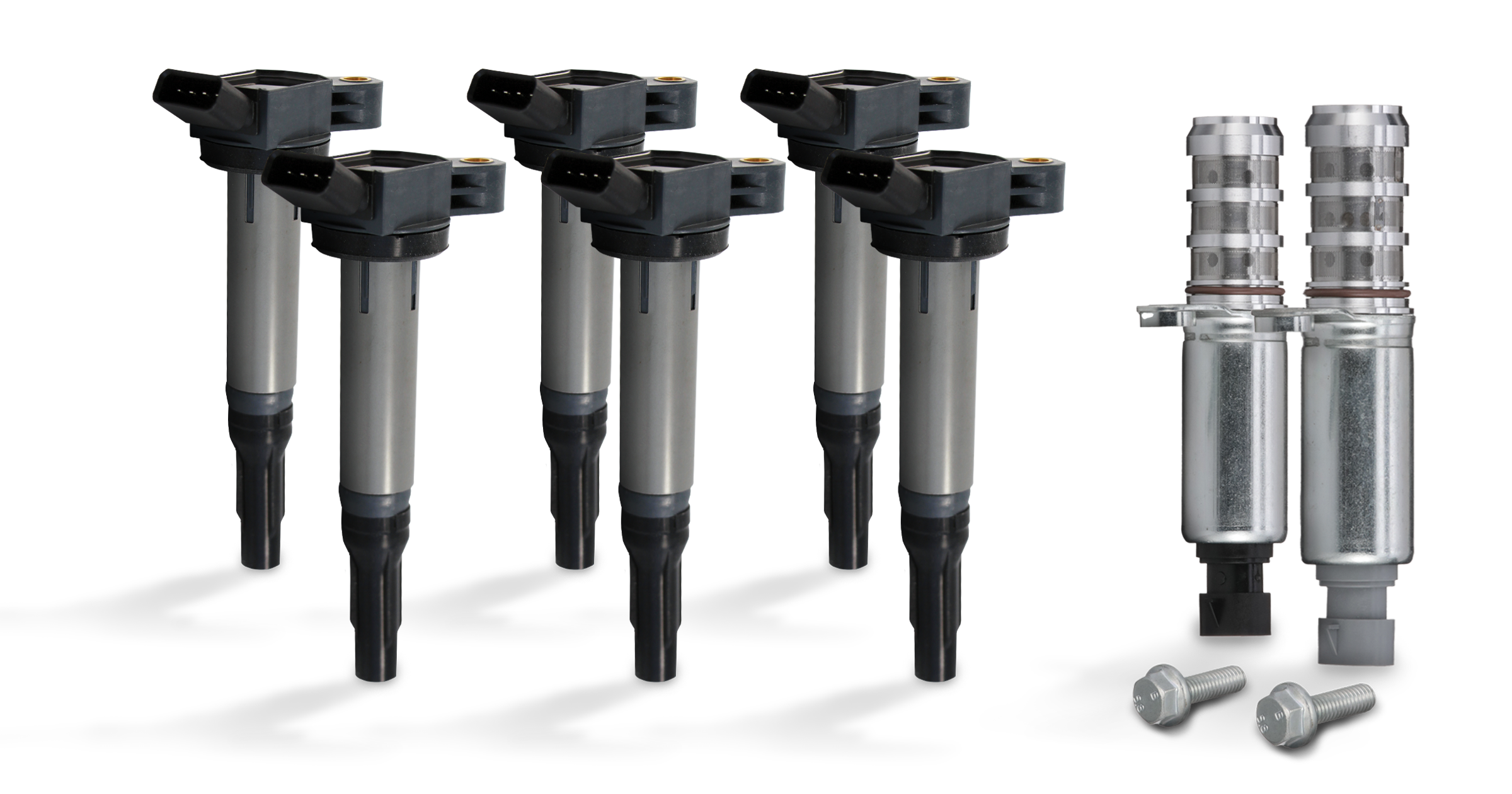
SMP announces the expansion of its Blue Streak® line. SMP’s latest Blue Streak® product release includes 23 new part numbers in the Direct Ignition and Variable Valve Timing categories.
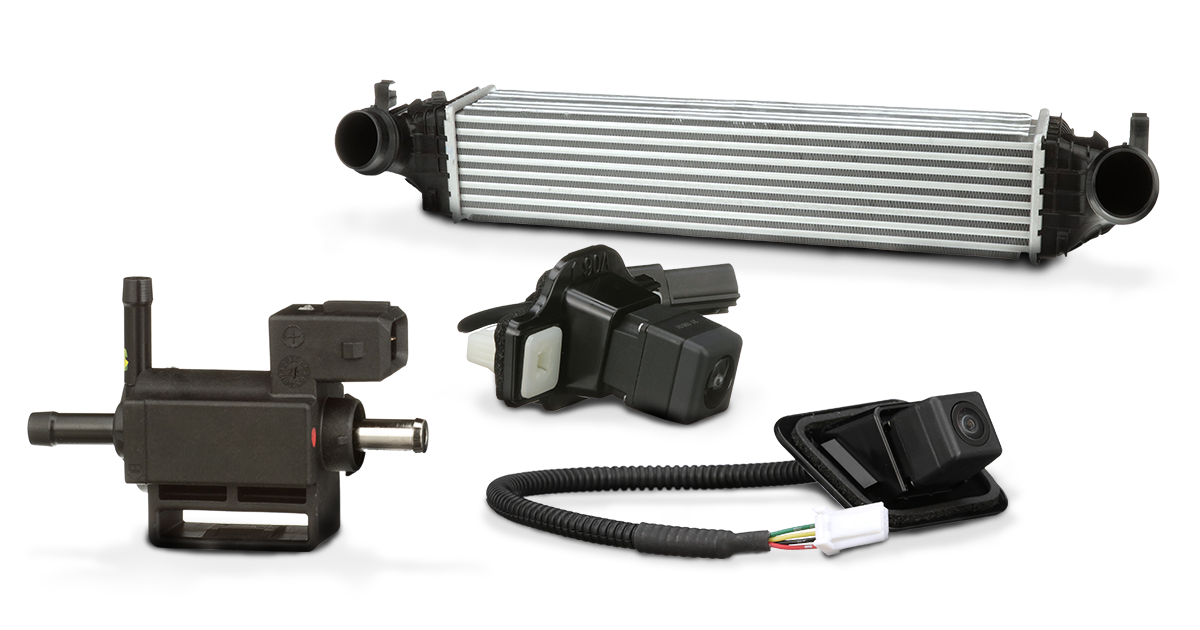
SMP announces the addition of 146 new part numbers to its Standard®, Blue Streak®, and Standard Import® lines. SMP’s new part number release for May 2022 spans 55 different product categories and includes 38 part numbers for 2021 and 2022 model year vehicles.
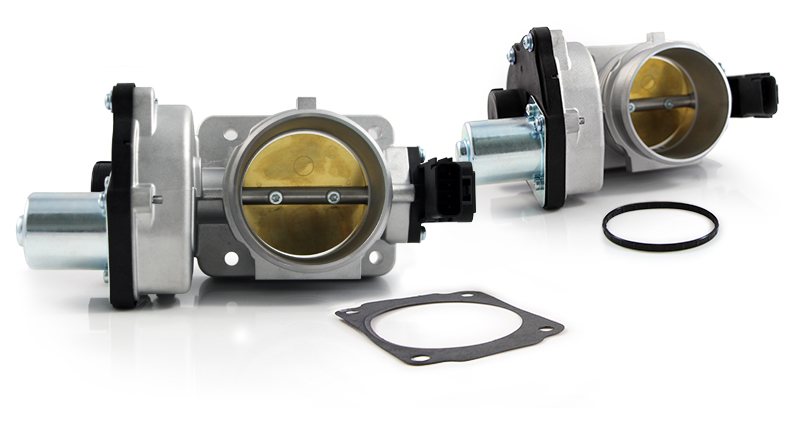
The most recent expansion to Standard’s ETB offering features applications for popular import nameplates including Toyota, Nissan, Mazda, Hyundai and Kia. Standard’s ETB line-up now includes more than 200 part numbers, and covers 190 million vehicles. Providing industry-leading, late model coverage for domestic and import vehicles, Standard® offers ETBs for 2021 and 2022 model years.
Learn More >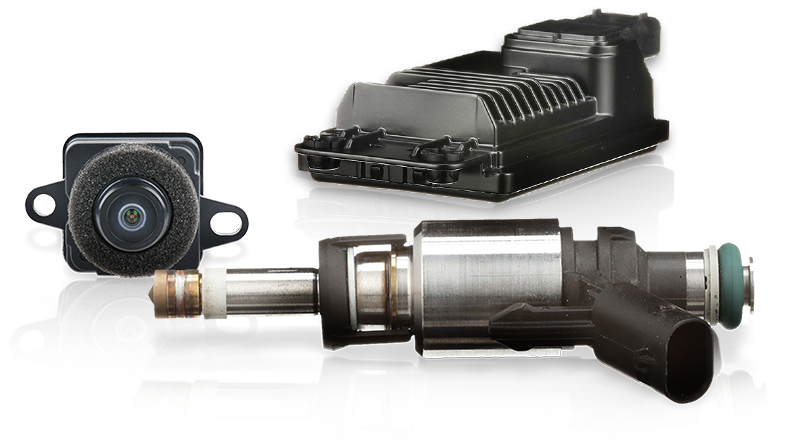
SMP announces the addition of 434 new part numbers to its Standard®, Standard® Import and Blue Streak® lines. The release spans 129 product categories and expands coverage for import and domestic applications through the 2022 model year by more than 500 million VIO.
Learn More >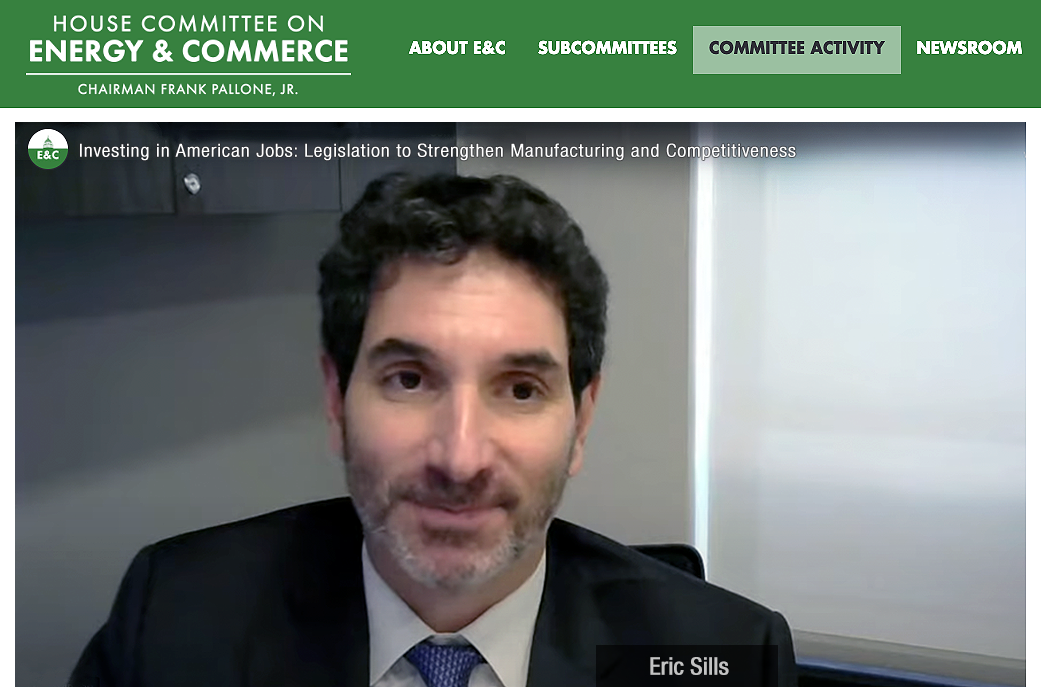
Eric Sills, President and CEO of Standard Motor Products and incoming Board Chairman of AASA, spoke before the U.S. House of Representatives Committee on Energy & Commerce Subcommittee on Consumer Protection & Commerce. Sills was one of only four to testify on supply chain resilience and American competitiveness.
The New Multi-Frequency TPMS Sensor combines 314.9, 315, and 433/434 MHz applications into one single SKU, eliminating a duplication of customer inventory. The Single Sensor program is an addition to Standard’s QWIK-SENSOR® OE-Match TPMS Sensors and provides coverage for more than 200 million vehicles-in-operation (VIO) in North America.
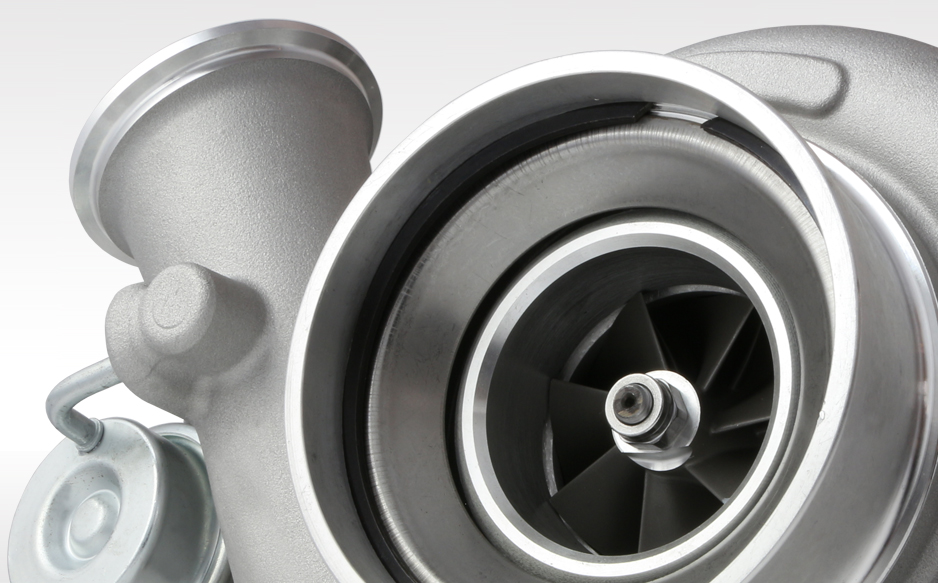
Designed to help get you the parts you need when you need them, our new Standard® drop ship program is available for the entire turbocharger line – new and remanufactured, diesel and gas.
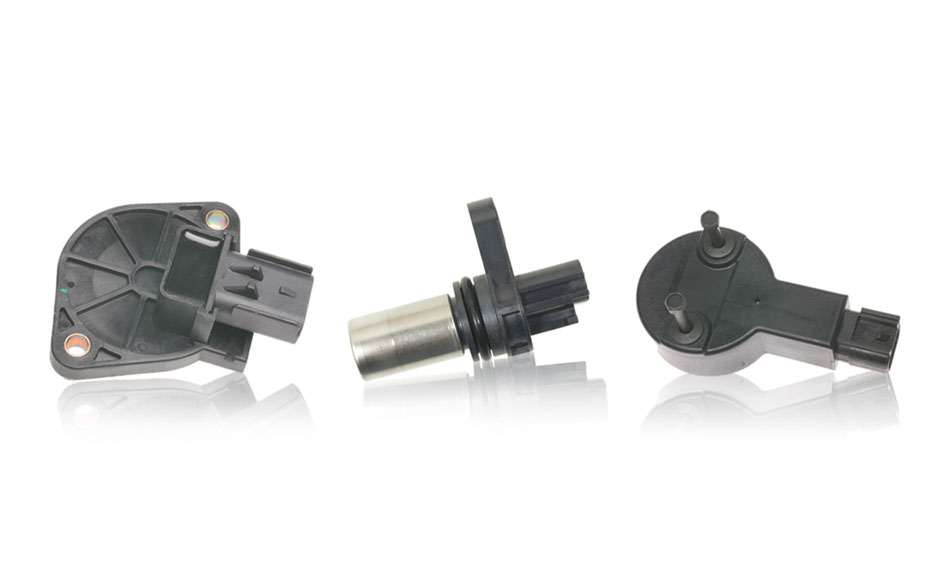
Check out how our sensors protect against over-voltage, under-voltage, reverse-voltage, and short circuits, and maintain accuracy during heavy-duty shock, vibration, and maximum temperature conditions.
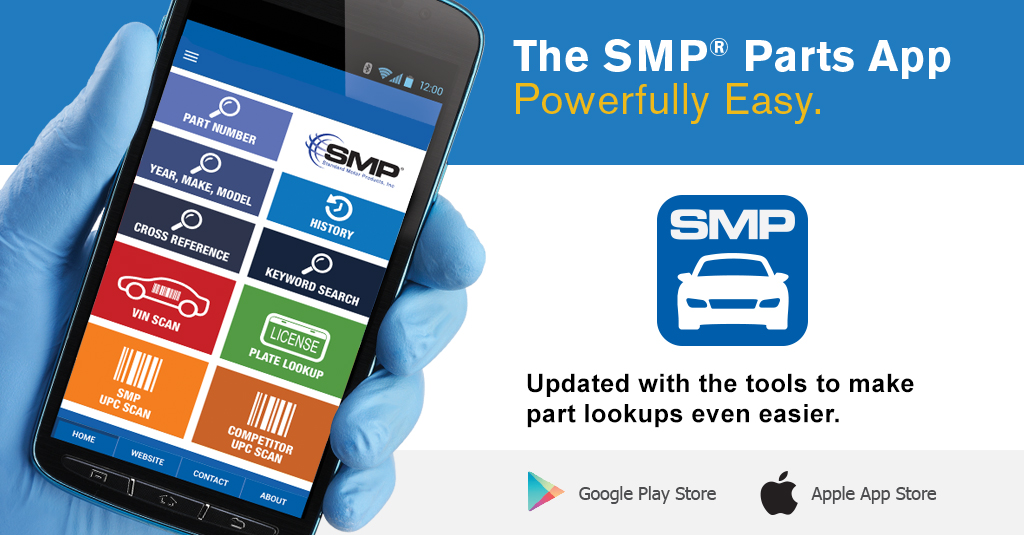
With more than 60,000 installs, our revamped SMP® Parts App is updated with new tools that make part lookups even easier, including:
- Keyword Search to help find parts and categories more easily
- History function for quick access to frequently searched items
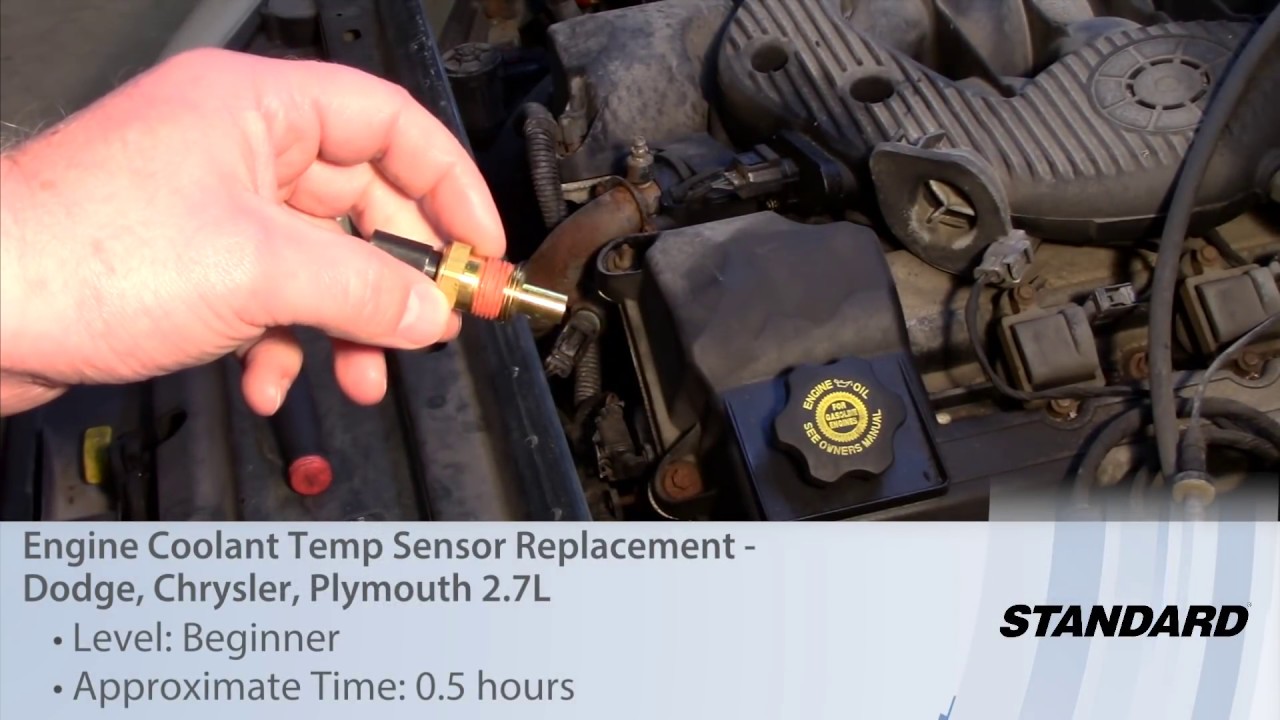
In this video, which is our most viewed video of March, our master technician shows you how to replace the Engine Coolant Temperature Sensor on a Dodge, Chrysler, Plymouth 2.7L.
Do you have an idea for a part that we should offer? We want to hear from you directly.


